- Duration
- 2 hrs to 2 days
- Season
- Year-round; harvest late Aug to Sep
- Group
- 2 to 12
- Price band
- €€ to €€€€
Champagne is a cold, marginal, northerly place to grow grapes, and the wine exists because of what's under it. The soft belemnite chalk holds water in drought, drains in rain, and, cut into crayeres by Roman quarrymen and extended by the great houses, gives thirty metres of cellar at a constant cool temperature. Reims and Epernay sit on kilometres of it. Above ground, the Avenue de Champagne runs past the grand houses; ten minutes away, growers who farm their own hectares pour something quite different.
What you'll do
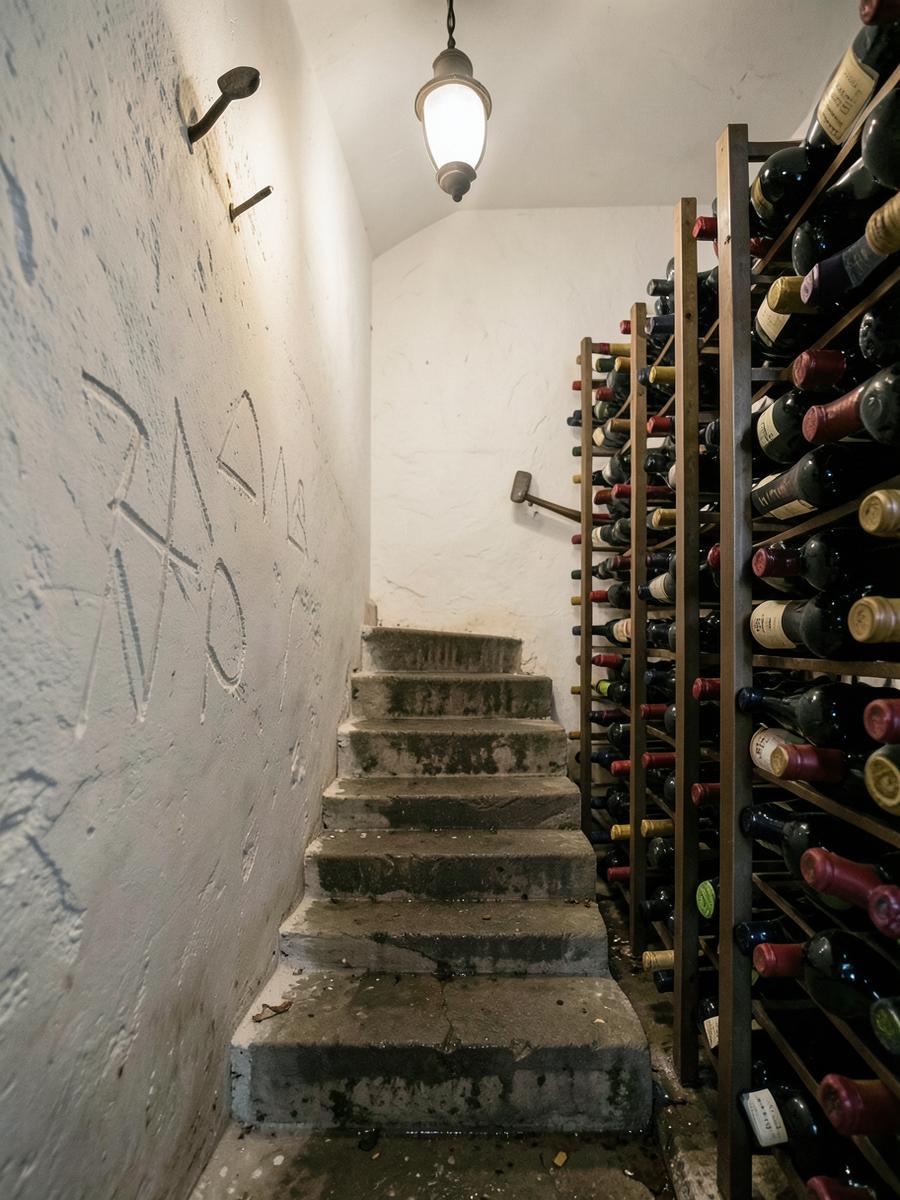
- Descend into the chalk. The Reims crayeres are part of a UNESCO World Heritage listing
- See riddling, disgorgement and dosage, the three steps that decide what's in the glass
- Taste a grande marque and a grower-producer on the same day
- Walk the vineyards of the Cote des Blancs, Cramant, Avize, Le Mesnil-sur-Oger, where it's all chardonnay
Pair it with
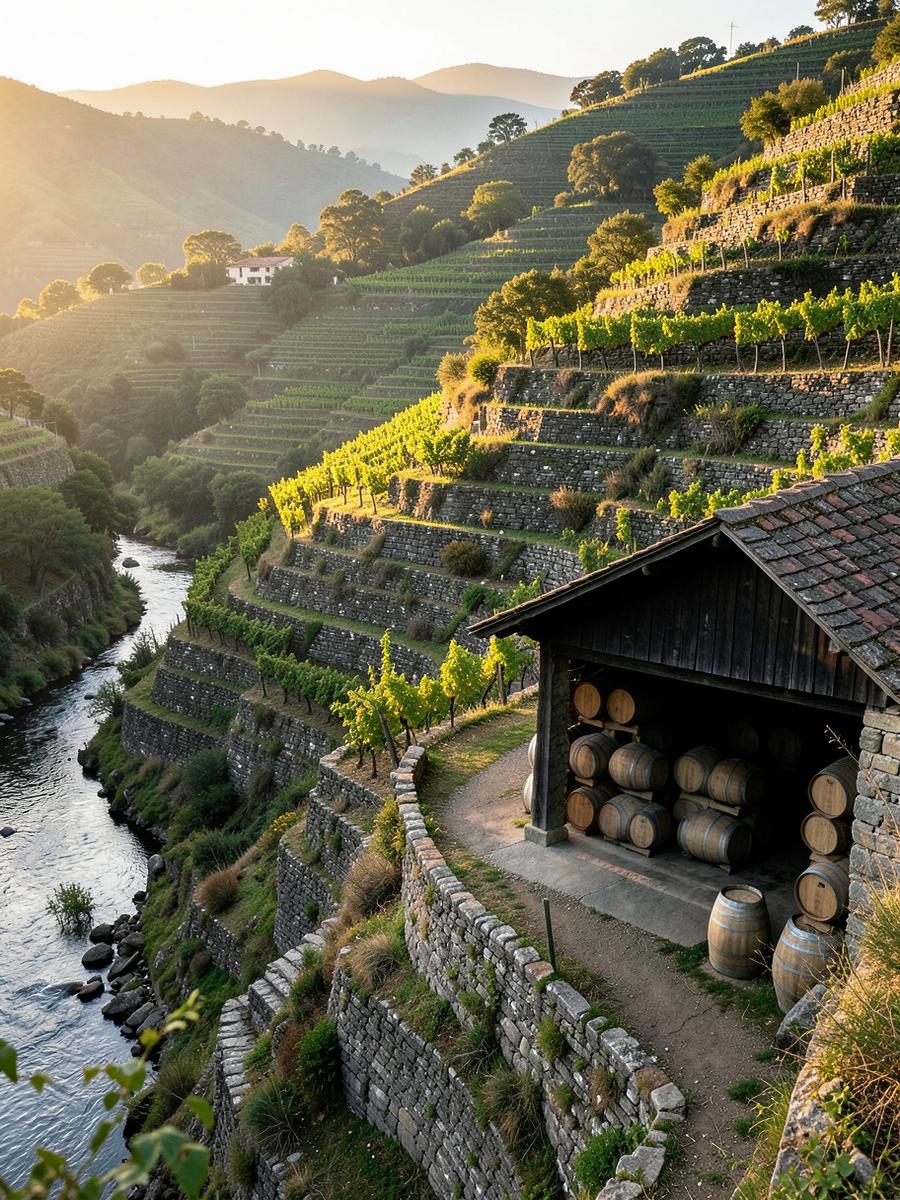
Porto. The two great cellar traditions of Europe, both built on a house-versus-grower tension.
Practical
Reims is about 45 minutes from Paris by TGV. Book grower visits ahead, because many are households rather than visitor centres. Harvest is the worst time to visit if you want anyone's attention and the best time if you want to see it happen.
Before you book
- Confirm which houses accept bookings, and at what tier, before you plan the day.
When it runs
Solid ochre marks peak months. Pale ochre marks months it runs in a quieter form.