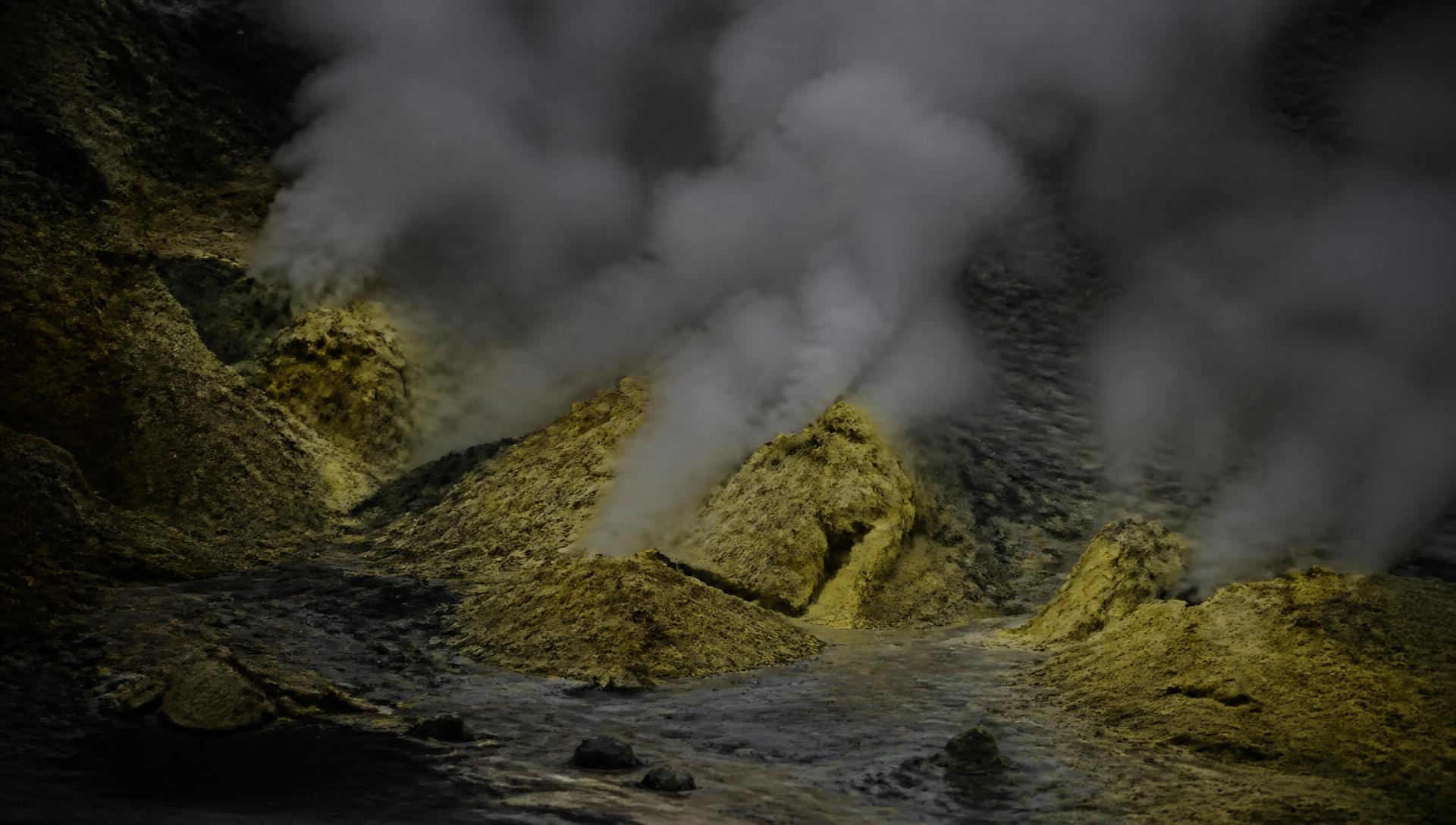
Sulfurous steam venting through wet ochre volcanic rock in low light

Most food travel sells you a table. This is a list of thirteen places where you can stand upstream of one, in the field, the cellar, the vent, the tide line, with the person whose hands are in it. We chose them because in each case the place is not scenery. It is the reason the thing tastes the way it does. Some are three hours. One is a five-hundred-yen egg you eat standing on a volcano. All of them are worth the journey.

Water & Rice

Four places where the mineral content of a single river, spring or paddy decides how the grain ferments and how the finished thing tastes.

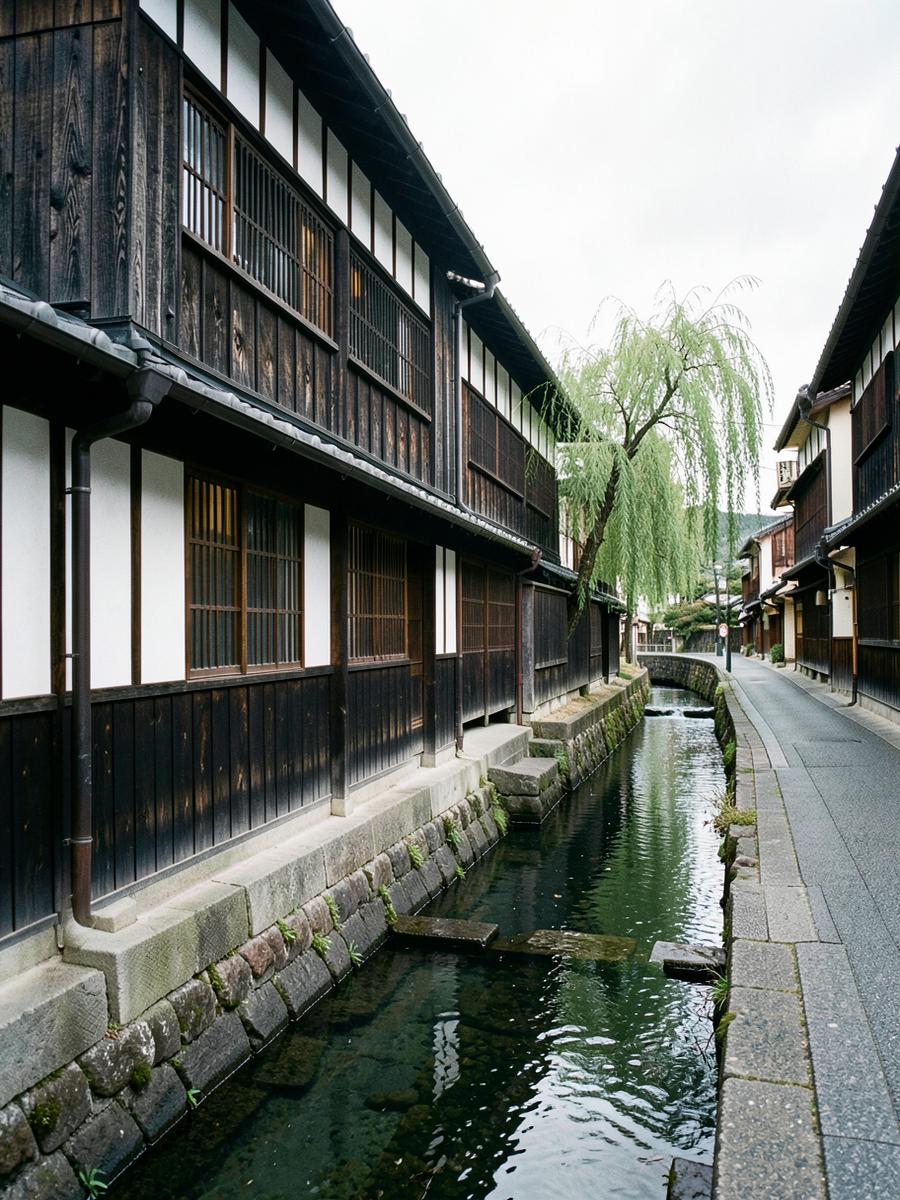
Black cedar warehouse cladding against white plaster beside still canal water, hands pouring sake

Fushimi Sake District, Kyoto

Goko-no-mizu: soft spring water from beneath the Momoyama hills

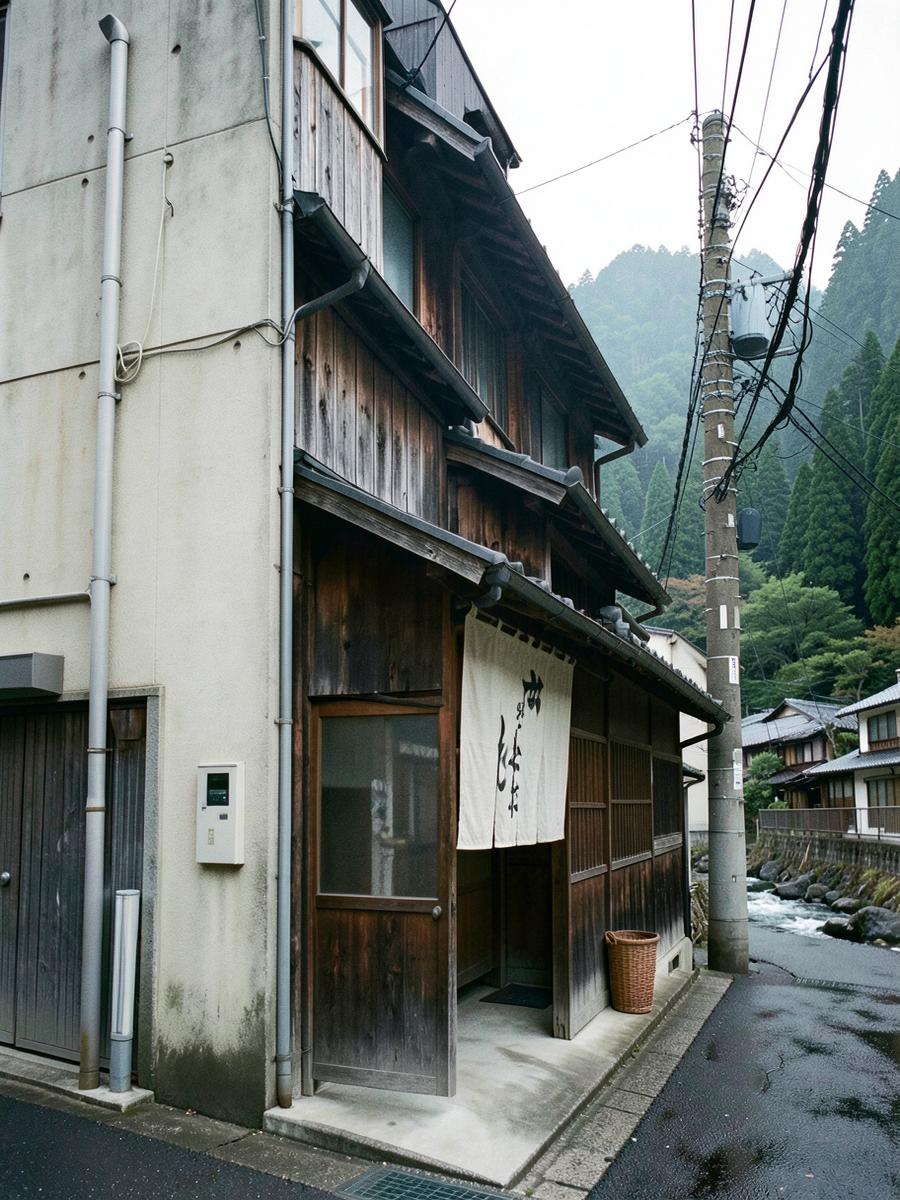
Fushimi sits ten minutes south of Kyoto Station and almost nobody on the temple circuit goes there. It has been brewing for over four hundred years on soft, low-mineral spring water, and that water is the whole story: Fushimi sake is rounder, sweeter and lower-edged than anything from Kobe. You walk canals lined with black-slatted warehouses, go inside a working kura, and taste enough to finally understand what junmai, ginjo and namazake actually mean on a label.

What you'll do

  • Walk the Fushimi-Momoyama canals, past cedar-clad warehouses still in daily use
  • Go inside a working brewery, usually the Gekkeikan Okura Sake Museum, on a site brewing since 1637
  • Taste across styles with a guide who explains dry against sweet, rich against fruity
  • Finish at a tasting hall pouring the district's range, including bottles never exported
Duration
2.5 to 3 hrs
Season
Year-round; brewing visible Nov to Mar
Group
2 to 10
Price band
€€
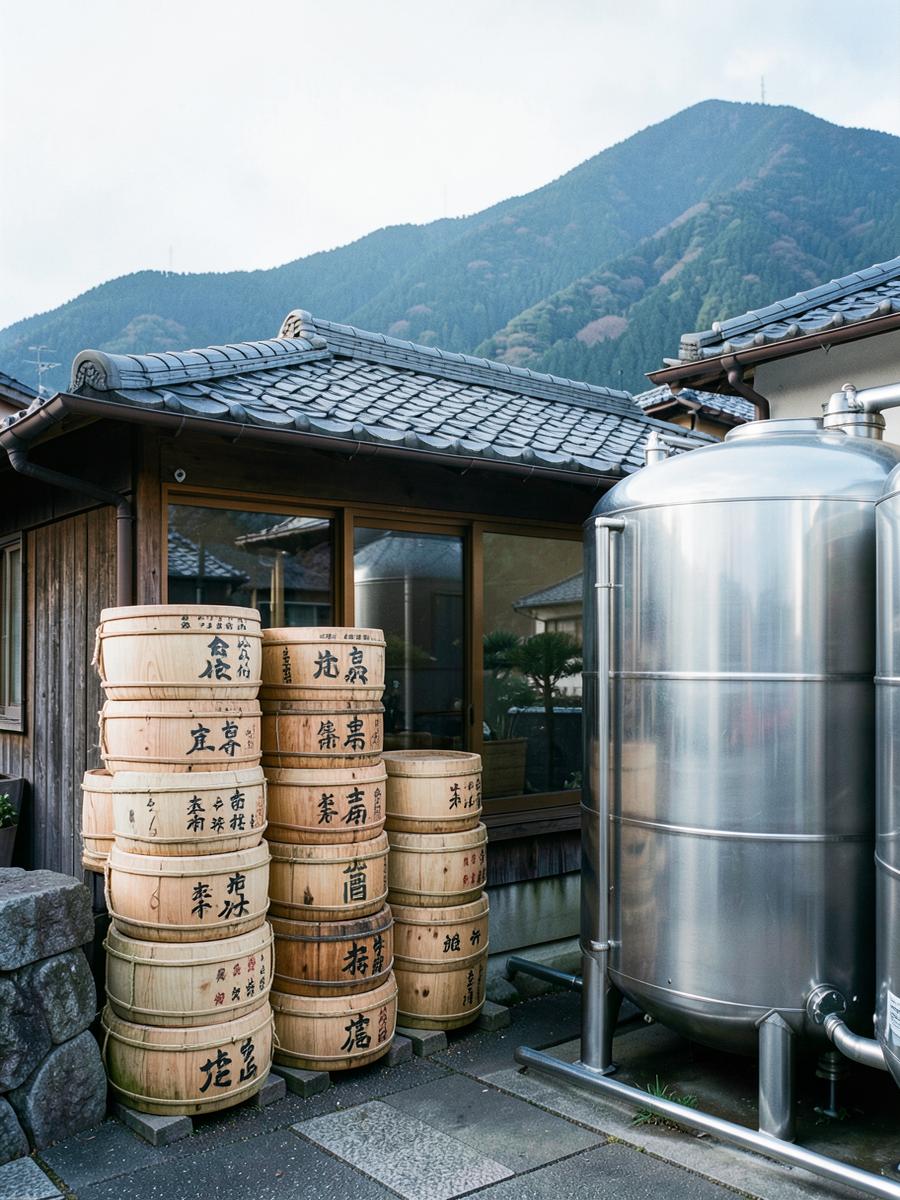
Cedar barrels stacked beside steel tanks seen through glass, the Rokko ridgeline above the rooflines

Nada-Gogo, Kobe

Miyamizu, the hard mineral spring that made Japan's biggest sake district

The five villages of Nada have been brewing since the 1330s and now produce more sake than anywhere in Japan. The reason is a mineral-rich water called Miyamizu, discovered in the 1840s, which ferments hard and fast and gives Nada its famously dry, clean finish. The rest followed: Yamada Nishiki rice from the hills behind, the cold Rokko wind off the mountain, and the port of Kobe to ship it. Three kilometres of brewery street, several free museums, and tasting rooms all the way along.

What you'll do

  • Watch modern brewing through the glass at Hamafukutsuru's ginjo works
  • See the Taisho-era brewhouse preserved at the Hakutsuru Sake Brewery Museum
  • Visit Kiku-Masamune's cooperage, where cedar barrels are still made by hand
  • Taste across producers: good tours cover ten or more pours from three or four houses
Duration
4 to 5 hrs
Season
Year-round; peak brewing Jan to Mar
Group
2 to 12
Price band
€€
River gorge and cedar above Ome, and a narrow brewery frontage wedged into a Tokyo city block

Tokyo's Surviving Breweries

Tama river groundwater, and one three-storey brewery in Minato-ku

Tokyo is not a sake region, which is exactly why this is interesting. In the western hills at Ome, Ozawa Shuzo has brewed Sawanoi on Tama river groundwater since 1702, a valley of cedar and gorge water an hour from Shinjuku that does not feel like the same prefecture. And in Shibadaimon, a few minutes from Tokyo Tower, a narrow multi-storey brewery makes sake vertically in the middle of the city, gravity doing the work of a hillside.

What you'll do

  • Tour a 300-year-old brewery in the Tama valley, then drink in its riverside garden
  • Or visit the tiny central Tokyo kura and see brewing stacked floor by floor
  • Taste shinshu, new-pressed sake, if you're there between late November and February
  • Learn why Tokyo brewing nearly disappeared, and what brought a little of it back
Duration
Half day (Ome) or 1.5 hrs (central)
Season
Year-round; new sake late Nov to Feb
Group
2 to 8
Price band
€ to €€
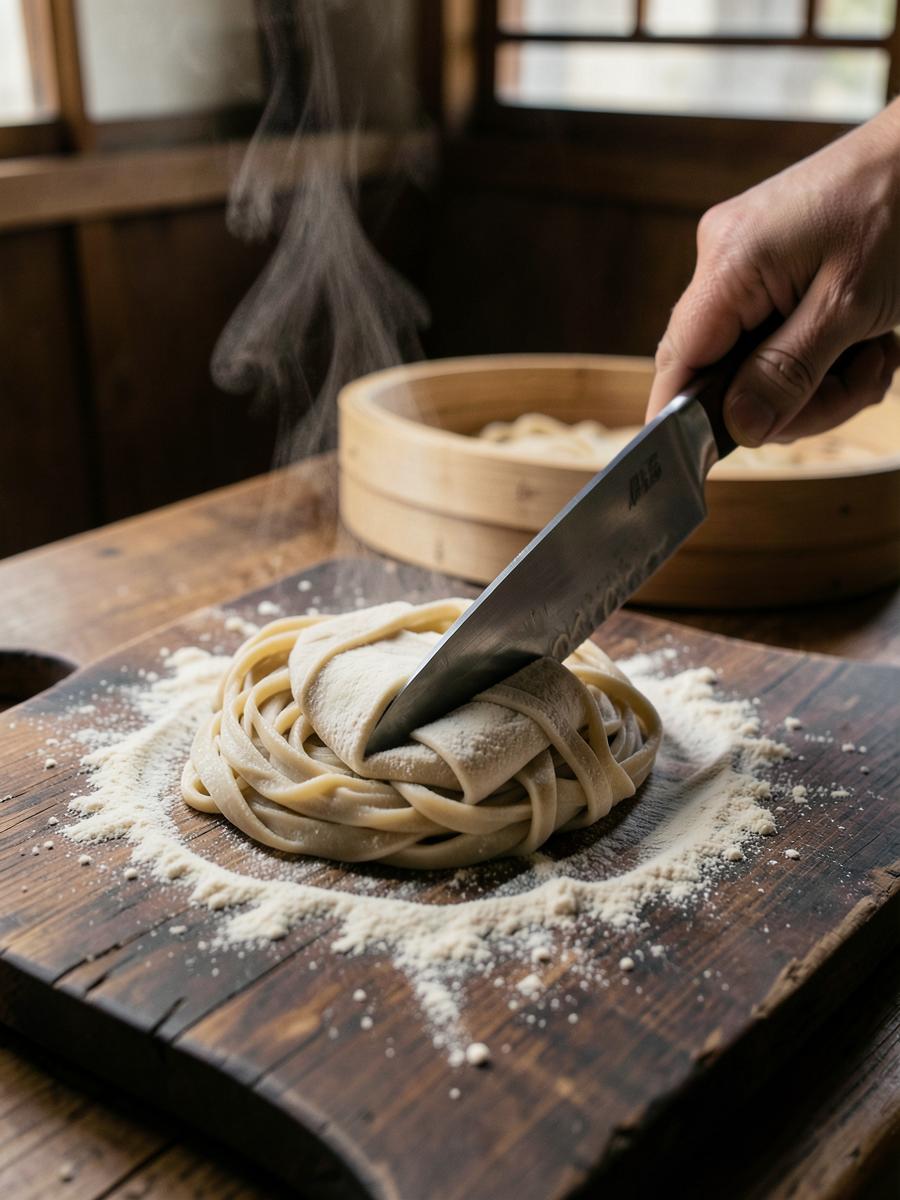
Flour on dark wood with a soba blade mid-cut, steam rising off a bamboo basket

Soba, Made by Hand

Buckwheat, water, and about four minutes of nerve

Soba is buckwheat flour and water. That's it, at the purist end, with no wheat to hold it together, which means the dough will fall apart if you get the hydration wrong, and it will. Kyoto workshops run small, often one group at a time, in machiya townhouses, farmhouses outside the city, or shops near Kiyomizu-dera. Some start at the stone mill so you grind first. You knead, roll to an even sheet, cut with a weighted blade, and eat it within minutes.

What you'll do

  • Mix and hydrate by feel, the part no recipe can teach you
  • Roll to a single even sheet, which is where most people's soba is lost
  • Cut with a soba-kiri blade and a wooden guide, aiming for uniform width
  • Eat your own noodles immediately, with dashi and a cup of the cooking water
Duration
1.5 to 2.5 hrs
Season
Year-round; new-crop buckwheat Oct to Dec
Group
1 to 8, often private
Price band
€€

Fire & Steam

One place where cooking is done by the mountain itself, and the mountain reserves the right to close.

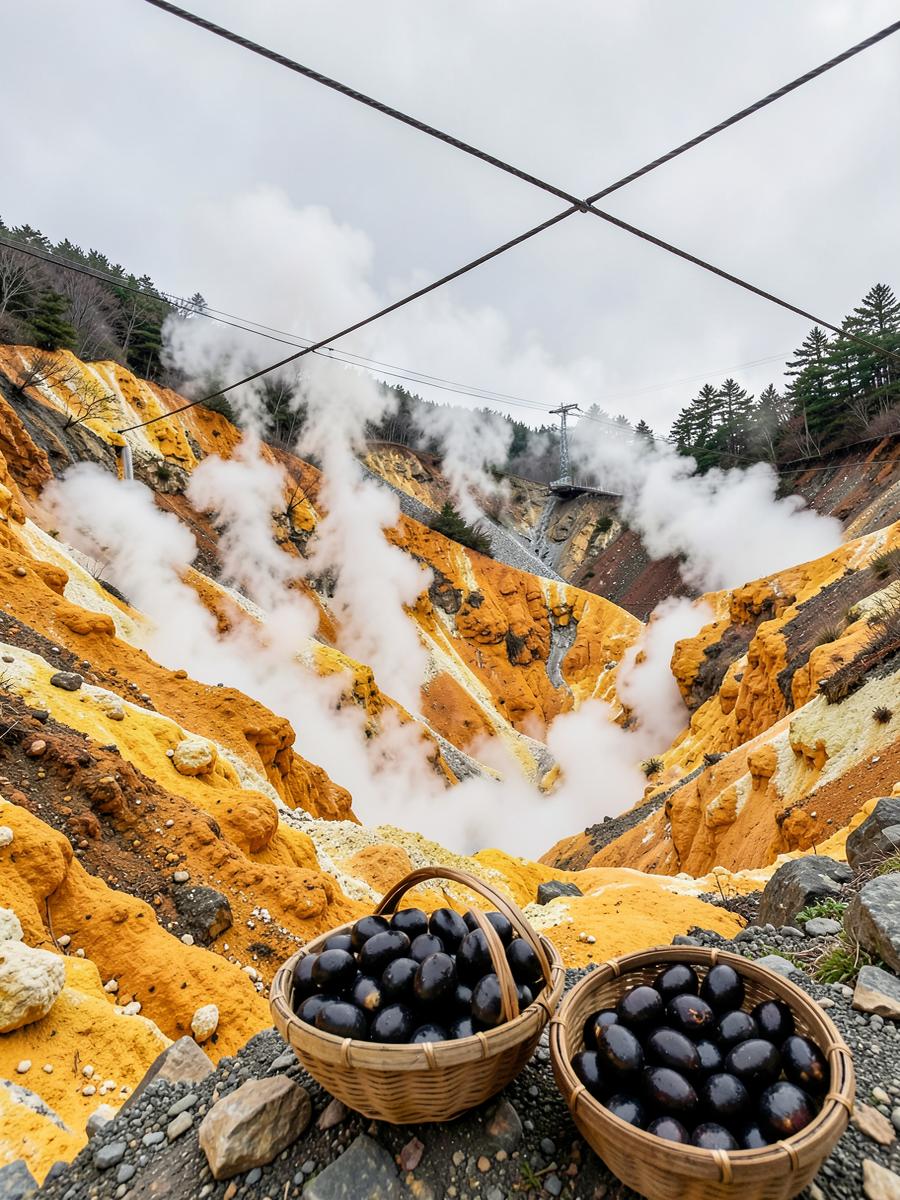
Ochre rock and white steam with the ropeway cable cutting through, a single cracked black shell held in a hand

Status: open

The Black Eggs of Owakudani

Hydrogen sulfide and iron, in a valley that has been venting for 3,000 years

Owakudani means great boiling valley, and it is exactly that: a scarred ochre bowl on the side of Mount Hakone, hissing steam three thousand years after the last eruption. Ordinary chicken eggs are cooked in the sulfur springs. The hydrogen sulfide reacts with iron in the shell and turns it jet black; the egg inside is a perfectly normal hard-boiled egg, which is somehow the best part. Local lore says one adds seven years to your life. People eat two.

What you'll do

  • Ride the Hakone Ropeway up over the vents. On clear days, Fuji sits behind you
  • Buy kuro-tamago fresh from the counter at Kurotamago-kan, ¥500 for five, cash
  • Eat one standing in the steam, which is the entire point
  • Walk the geothermal viewing area, and the nature trail if it's open
Duration
1 to 1.5 hrs at the site
Season
Year-round, subject to volcanic status
Group
Any
Price band

Leaf & Bean

Two altitudes, two harvests, and the narrow band of mist and cold that both crops need to hold their aromatics.

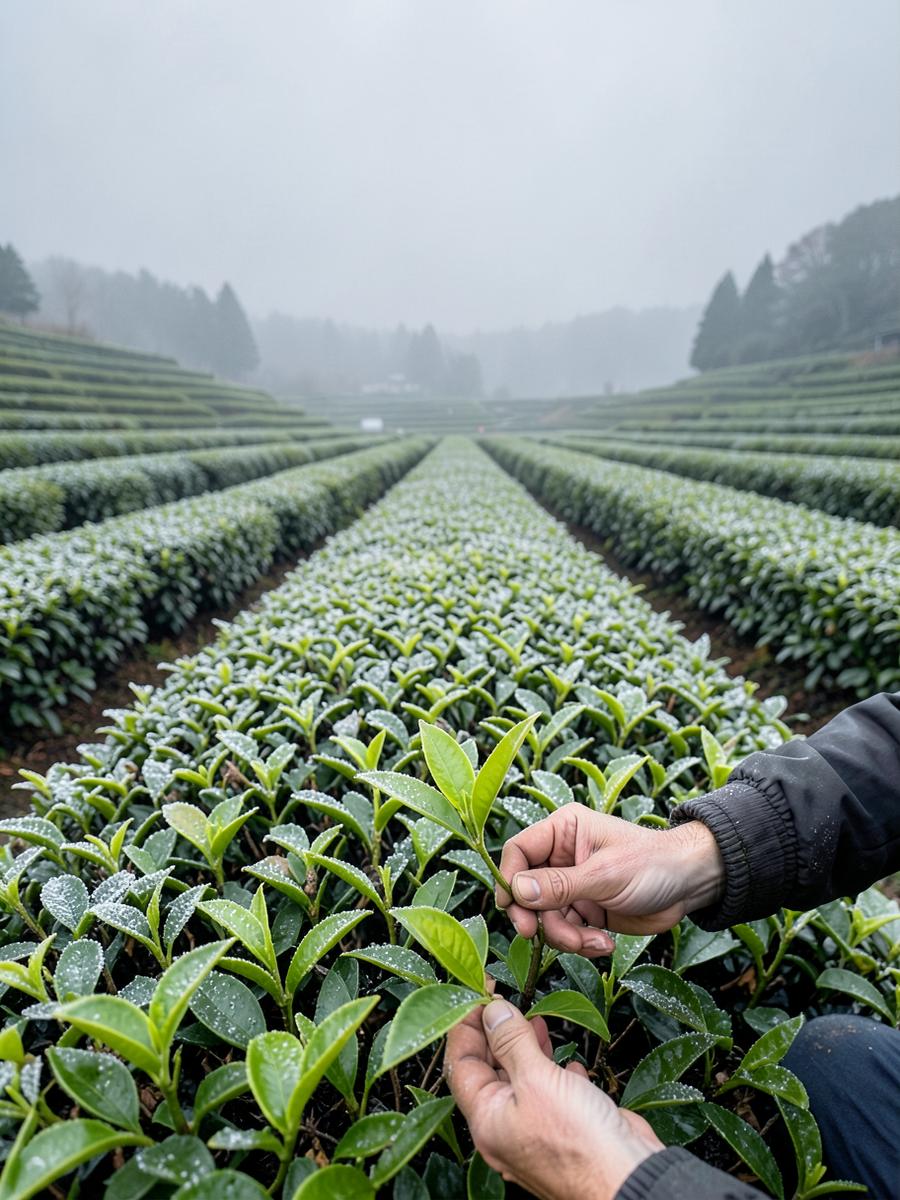
Rows of clipped green tea against grey sky, hands deep in the leaf, steam off a roasting pan

Tea Harvest in Sayama

Japan's northernmost major tea region, where the leaves grow thick because the winters are cold

There is a saying in Japan: Shizuoka for colour, Uji for aroma, Sayama for flavour. Sayama sits further north than any other major tea region, so the plants grow slowly through cold winters and put out thicker leaves. Then comes Sayama-biire, a heavy final fire-roast unique to the region, which gives the tea a sweet, deep, almost toasted body. Small farms here grow, process and sell their own leaf, a single-origin structure that has largely vanished elsewhere in Japanese tea.

What you'll do

  • Pick new shoots by hand in the rows, in traditional harvesting dress if you want it
  • Hand-roll fresh leaf, the slow, hot, repetitive process behind every good sencha
  • Watch the finishing roast and try the fire yourself
  • Taste several Sayama teas side by side, and eat tea-leaf tempura
Duration
3 to 5 hrs
Season
Picking May to Oct; first flush late Apr to early May
Group
2 to 10
Price band
€€
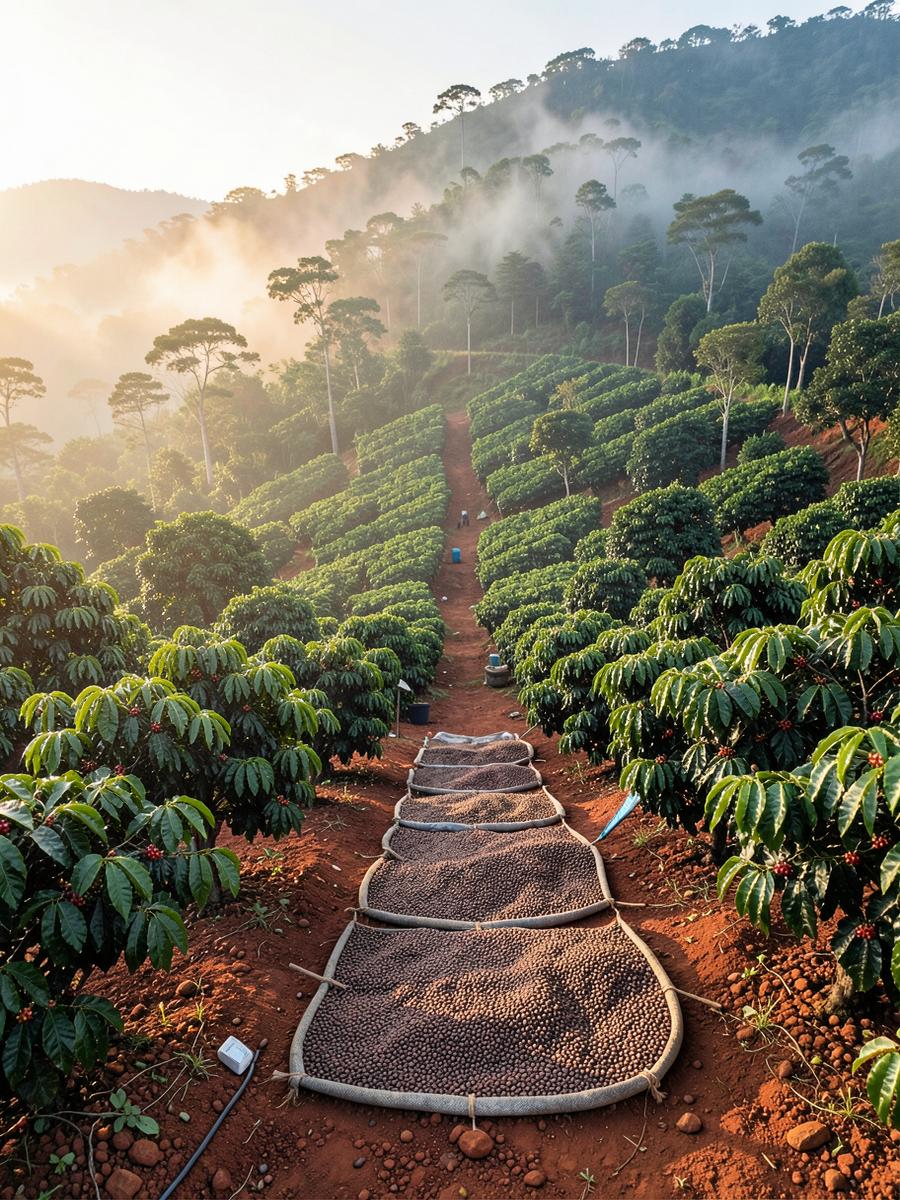
Red basalt soil and green coffee rows with mist on the ridge, drying beds seen from above and a phin dripping

Highland Coffee, Da Lat & Dak Lak

1,500m of highland mist for arabica; red basalt at Buon Ma Thuot for robusta

Vietnam grows more coffee than any country except Brazil, and almost none of it is understood outside Vietnam. Two places explain why. Around Da Lat and the Cau Dat highlands, cool air and altitude produce arabica with real florality, the crop French planters came for in the first place. Four hours north at Buon Ma Thuot, red basalt soil grows the robusta that fills most of the world's instant coffee, and the good stuff, processed properly, is dense and dark and nothing like its reputation.

What you'll do

  • Walk the rows with a grower and learn what pruning, bud-breaking and basin-cleaning involve
  • See wet and dry processing side by side, and taste the difference it makes
  • Roast a small batch by hand
  • Brew and drink through a phin, the slow single-cup filter that shapes how the country drinks
Duration
2 hrs to full day
Season
Year-round; harvest Oct to Dec
Group
1 to 10
Price band
€ to €€

Cellar & Chalk

Two cellars cut into soft rock, where the stone regulates temperature and humidity more reliably than any machine a producer could buy.

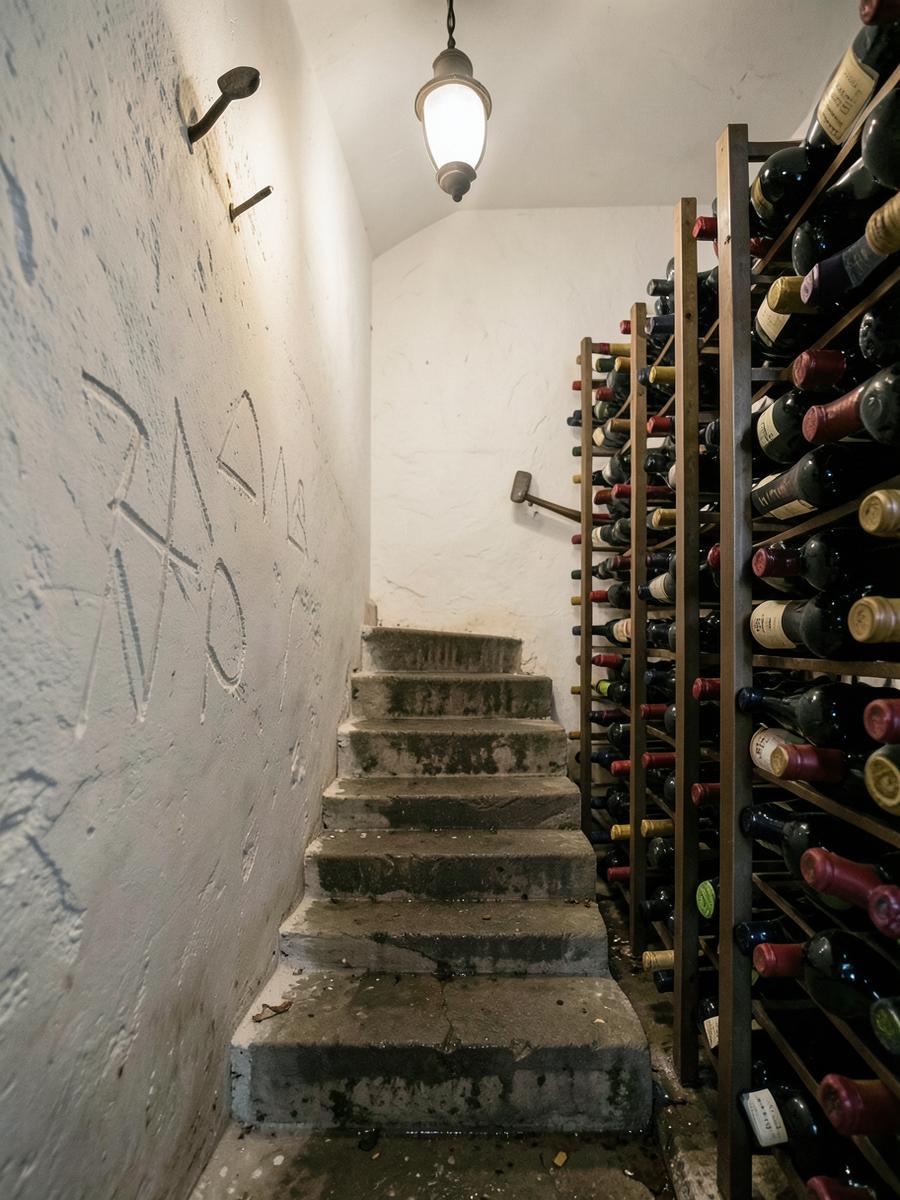
Chalk cellar walls with visible tool marks, bottles on riddling racks, vines on the Cote des Blancs

Champagne, in the Chalk

Belemnite chalk, quarried by Romans, thirty metres down

Champagne is a cold, marginal, northerly place to grow grapes, and the wine exists because of what's under it. The soft belemnite chalk holds water in drought, drains in rain, and, cut into crayeres by Roman quarrymen and extended by the great houses, gives thirty metres of cellar at a constant cool temperature. Reims and Epernay sit on kilometres of it. Above ground, the Avenue de Champagne runs past the grand houses; ten minutes away, growers who farm their own hectares pour something quite different.

What you'll do

  • Descend into the chalk. The Reims crayeres are part of a UNESCO World Heritage listing
  • See riddling, disgorgement and dosage, the three steps that decide what's in the glass
  • Taste a grande marque and a grower-producer on the same day
  • Walk the vineyards of the Cote des Blancs, Cramant, Avize, Le Mesnil-sur-Oger, where it's all chardonnay
Duration
2 hrs to 2 days
Season
Year-round; harvest late Aug to Sep
Group
2 to 12
Price band
€€ to €€€€
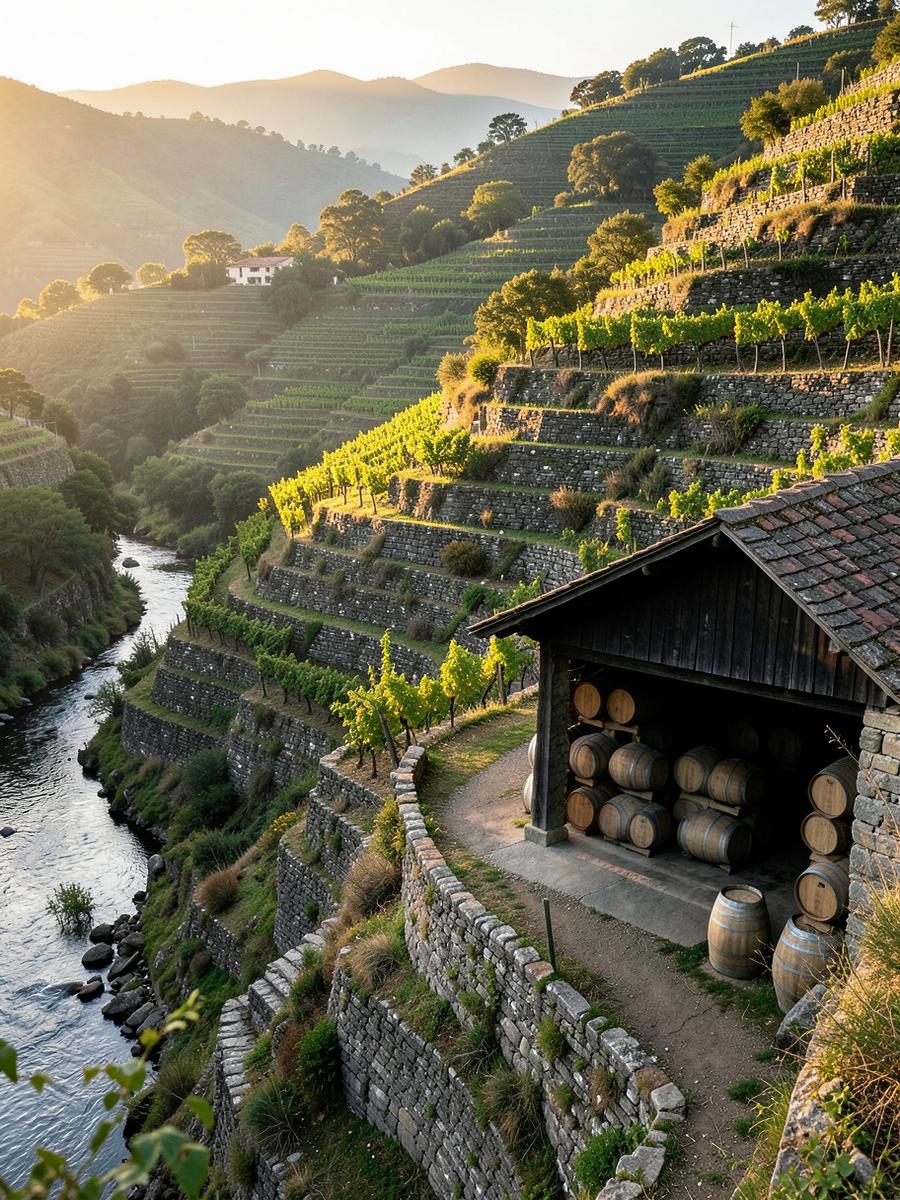
Stacked port barrels vanishing into dark, schist terraces in raking light above the river

Port in Porto and the Douro

Schist terraces upriver, cool river air downriver

Port is made in two places. It is grown in the Douro, on schist terraces so steep they were cut by hand over centuries, in a valley hot enough to concentrate sugar into something that can take spirit. Then it's aged in Vila Nova de Gaia across the river from Porto, where cool damp air off the Atlantic slows everything down. The lodges there are dark barrel halls stacked to the roof, and the whole city smells faintly of them on a wet day.

What you'll do

  • Tour a Gaia lodge and taste across the styles: tawny, ruby, LBV, vintage, white
  • Understand why a 20-year tawny and a vintage port taste like different drinks
  • Cross to the Douro for the terraces and a quinta visit, ideally overnight
  • Time it for September and watch fruit come in
Duration
2 hrs (Gaia) to 2 days (Douro)
Season
Year-round; harvest Sep
Group
2 to 14
Price band
€€ to €€€

Counter & Tide

Four places where the working day is set by the counter or the water, and the food arrives within hours of leaving it.

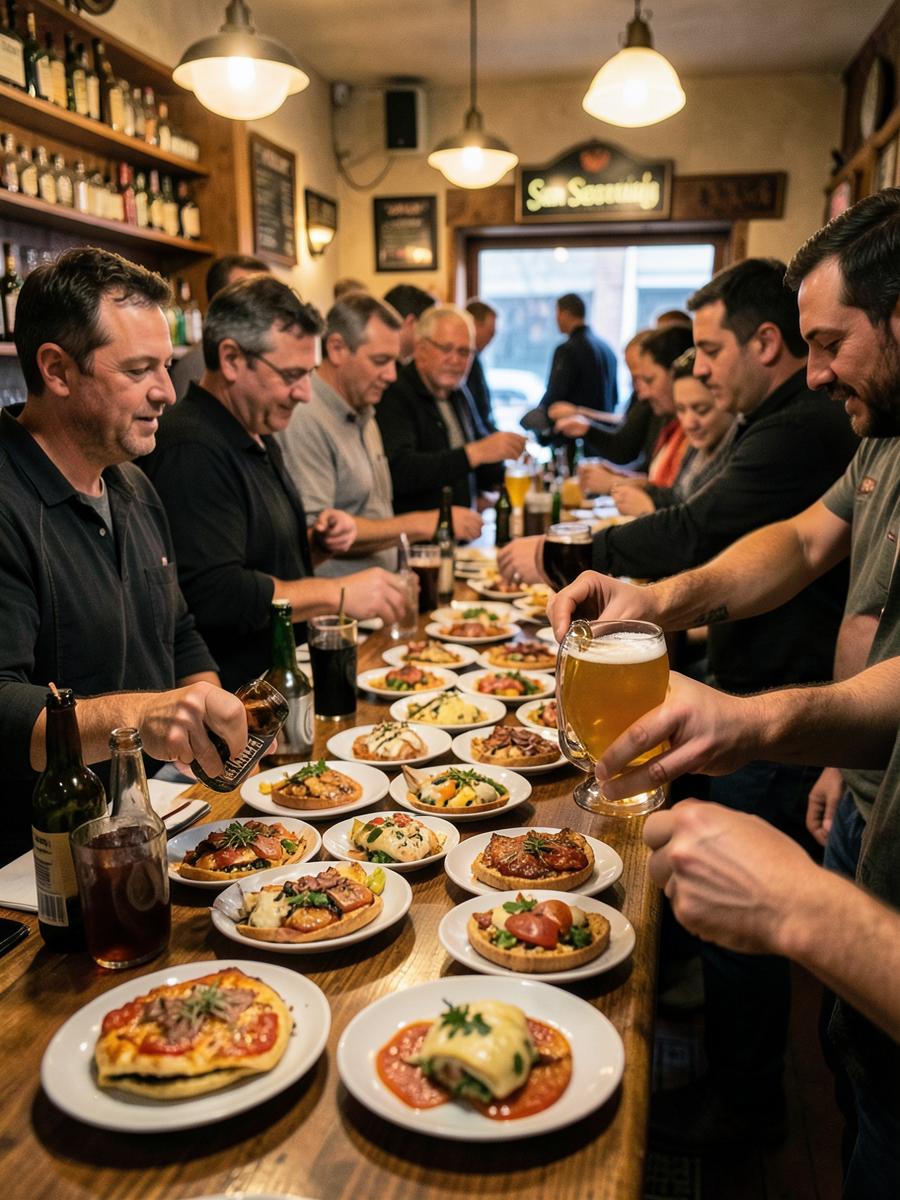
A bar counter at full load with txakoli poured from height, motion blur of a crowded room

Pintxos in San Sebastián

The counter, and the unwritten rules of moving along it

Pintxos is not tapas and San Sebastián is emphatic about it. The form is a crawl: you enter, you have the one thing that bar is known for, you drink a small glass, and you move on. The Parte Vieja has dozens of bars in a few hundred metres and each has a speciality it has been refining for decades. Get it right and you eat better in three hours than in most tasting menus. Get it wrong and you eat four mediocre things on bread.

What you'll do

  • Learn the etiquette: order at the bar, don't graze the display, keep the visit short
  • Eat the classics where they're actually good: the gilda, grilled turbot, aged beef, seared foie
  • Drink txakoli poured from height, and understand why it's poured that way
  • Hear about the txoko, the private members' cooking societies that shaped Basque food culture
Duration
3 to 4 hrs
Season
Year-round; quieter Nov to Mar
Group
2 to 8
Price band
€€ to €€€
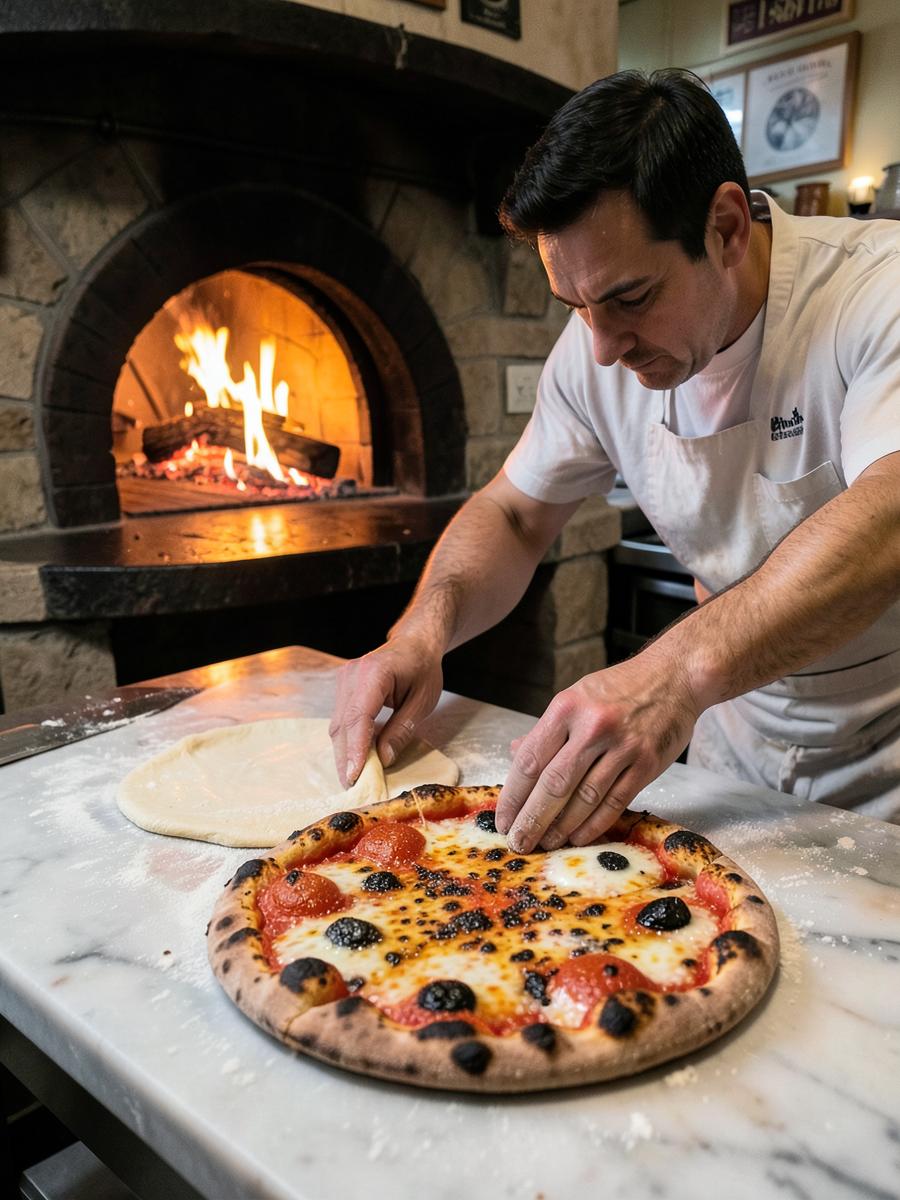
Flour, forearms and the mouth of a wood oven, fire light on dough and close char blisters

Pizza in Napoli

Wood, 485°C, sixty to ninety seconds

UNESCO added the art of the Neapolitan pizzaiuolo to its intangible heritage list in 2017, which was a recognition of craft rather than recipe. The dough is flour, water, salt, yeast. The rules are strict: long fermentation, hand-stretched only, no rolling pin, a wood oven around 485°C, sixty to ninety seconds. What you learn in a class is that almost all of it is in the hands: how you press the gas out to the rim and how you move it into the fire.

What you'll do

  • Work dough that has been fermenting since yesterday, because same-day dough won't behave
  • Learn the hand-stretch and why the cornicione rim must never be flattened
  • Dress a marinara and a margherita and nothing else, at first
  • Launch it into a live wood oven and get it out ninety seconds later
Duration
2 to 3 hrs
Season
Year-round
Group
2 to 12
Price band
€€
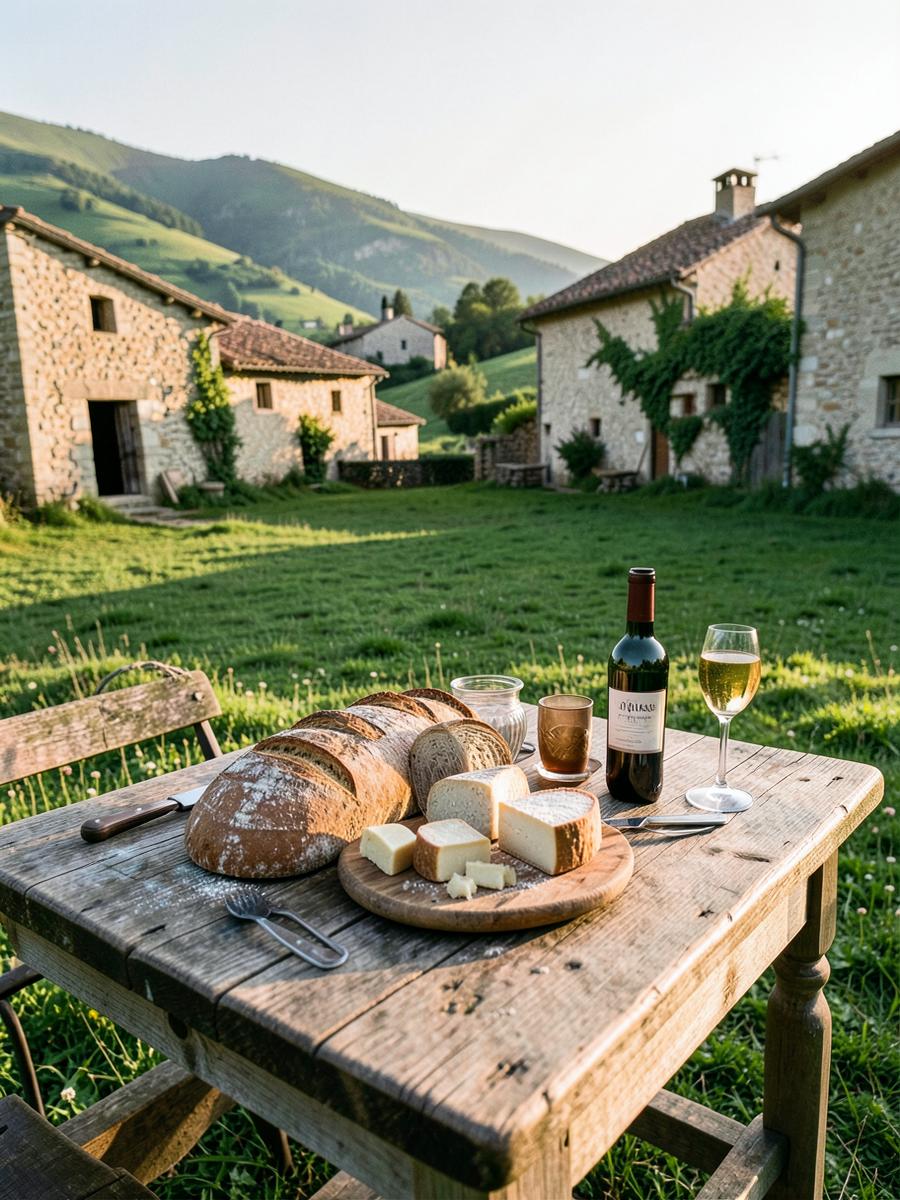
A long table on a hillside, cheese ageing in a cave, muddy rows of a working potager mid-harvest

Farm Dining in France

The kitchen garden, the herd, and a menu that can't be planned far ahead

France does farm dining in two registers and both belong here. The ferme-auberge is the old one, a working farm licensed to feed you what it raises, on the high pastures of the Vosges and Alsace or the causses of the Aveyron, where lunch is whatever the farm has and the cheese was made forty metres away. The other is the modern kitchen-garden restaurant, where a serious chef builds the menu outward from what the potager is doing that week, and the garden is not a decoration but the constraint.

What you'll do

  • Eat on a working farm with a menu determined by the herd, the season and the weather
  • Walk a potager with the person who plants it and see what's about to be picked
  • Taste cheese at the age the maker prefers, which is rarely the age the shop sells it at
  • Understand the marcaire meal of the Vosges, or the transhumance rhythm behind Aubrac and Laguiole
Duration
A long lunch to two nights
Season
Ferme-auberges May to Oct; gardens best Jun to Sep
Group
2 to 10
Price band
€€ to €€€€
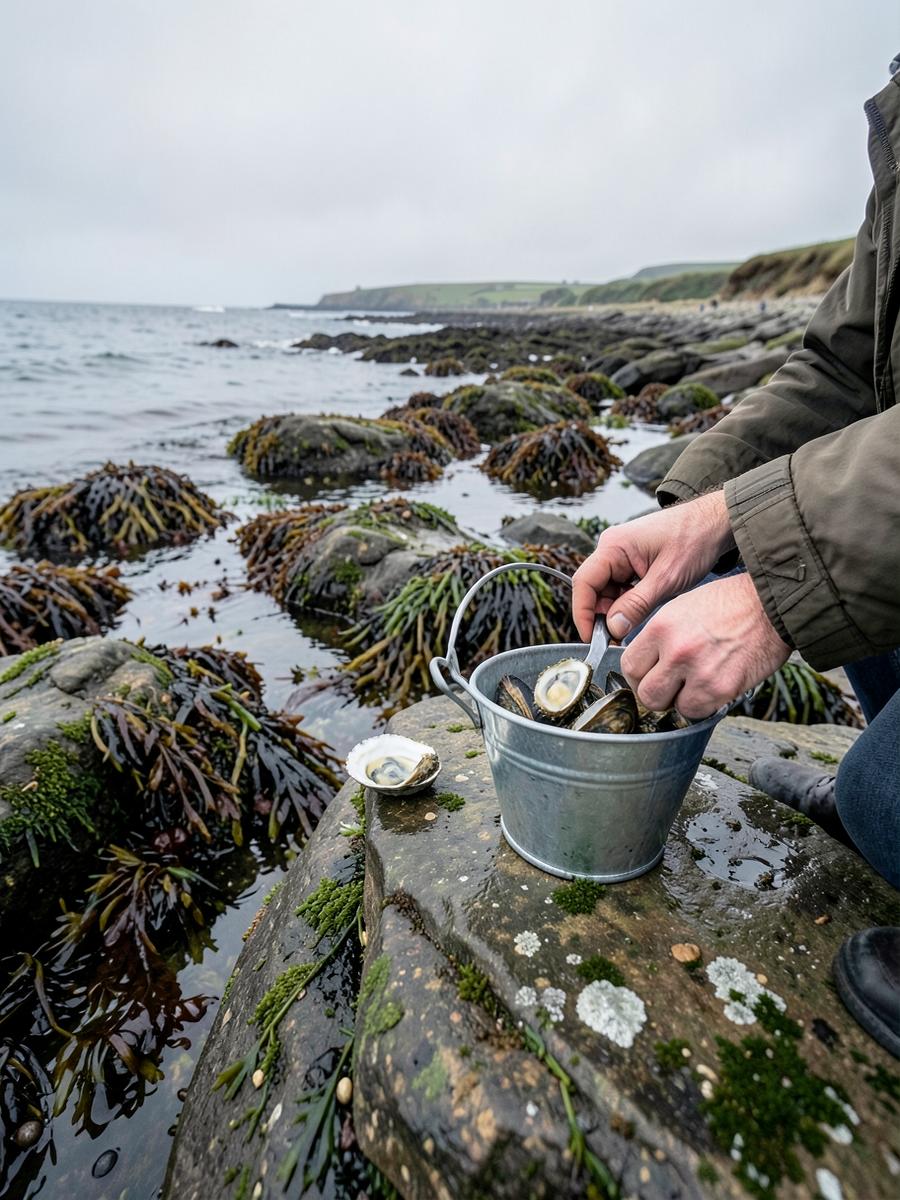
Wet rock in low grey light with a half-full bucket, hands opening an oyster on a stone

Status: check before travel

Shellfish on the Irish Coast

The tide, twice a day, and cold Atlantic water that makes shellfish grow slowly

Irish coastal water is cold, so shellfish grow slowly, which means denser, sweeter meat and thicker shells. Foraging here is a real skill and it is mostly reading: which rock, which tide, which species, what's safe. Guided walks in West Cork and Kerry go out on a falling tide with a marine biologist and cover seaweeds, shellfish and shore plants together, along with the folklore attached to them. This coast has been harvested continuously for a very long time and the stories are part of the knowledge, not decoration.

What you'll do

  • Go out on a falling tide and learn to read the shore: zones, species, what to leave
  • Identify edible seaweeds and shellfish, and the ones to walk past
  • Visit a working oyster and mussel farm, such as the family operation at Castlemaine Harbour
  • Eat it on the shore, or with a pint, which is the correct pairing and not a cliché
Duration
2 to 4 hrs
Season
Best Sep to Apr; tide-dependent year-round
Group
2 to 12
Price band
€€

How we choose

  1. 01

    We name the source

    Every listing tells you the water, soil or fire responsible for the flavour. If we can't name it, it isn't in the collection.

  2. 02

    You meet the person who makes it

    Not a presenter. The brewer, the grower, the pizzaiolo, the biologist.

  3. 03

    No captive-animal coffee

    We do not list operators keeping civets, anywhere.

  4. 04

    Foraging goes out licensed

    Wild shellfish walks run with insured guides who check water classification for that shore on that day.

  5. 05

    We show real availability

    Volcanic closures, tide tables and harvest windows are on the listing before you book, not after.

When each one runs

  • Fushimi, Kyoto

    JJanuary: peakFFebruary: peakMMarch: peakAApril: availableMMay: availableJJune: availableJJuly: availableAAugust: availableSSeptember: availableOOctober: availableNNovember: peakDDecember: peak
  • Nada-Gogo, Kobe

    JJanuary: peakFFebruary: peakMMarch: peakAApril: availableMMay: availableJJune: availableJJuly: availableAAugust: availableSSeptember: availableOOctober: availableNNovember: availableDDecember: available
  • Tokyo

    JJanuary: peakFFebruary: peakMMarch: availableAApril: availableMMay: availableJJune: availableJJuly: availableAAugust: availableSSeptember: availableOOctober: availableNNovember: peakDDecember: peak
  • Kyoto

    JJanuary: availableFFebruary: availableMMarch: availableAApril: availableMMay: availableJJune: availableJJuly: availableAAugust: availableSSeptember: availableOOctober: peakNNovember: peakDDecember: peak
  • Owakudani, Hakone

    JJanuary: availableFFebruary: availableMMarch: availableAApril: peakMMay: peakJJune: availableJJuly: availableAAugust: availableSSeptember: availableOOctober: peakNNovember: peakDDecember: available
  • Sayama, Saitama

    JJanuary: closedFFebruary: closedMMarch: closedAApril: peakMMay: peakJJune: availableJJuly: availableAAugust: availableSSeptember: availableOOctober: availableNNovember: closedDDecember: closed
  • Da Lat & Dak Lak

    JJanuary: availableFFebruary: availableMMarch: availableAApril: availableMMay: availableJJune: availableJJuly: availableAAugust: availableSSeptember: availableOOctober: peakNNovember: peakDDecember: peak
  • Champagne

    JJanuary: availableFFebruary: availableMMarch: availableAApril: availableMMay: availableJJune: availableJJuly: availableAAugust: peakSSeptember: peakOOctober: availableNNovember: availableDDecember: available
  • Porto & Douro

    JJanuary: availableFFebruary: availableMMarch: availableAApril: availableMMay: availableJJune: availableJJuly: availableAAugust: availableSSeptember: peakOOctober: availableNNovember: availableDDecember: available
  • San Sebastián

    JJanuary: availableFFebruary: availableMMarch: availableAApril: availableMMay: peakJJune: peakJJuly: peakAAugust: peakSSeptember: peakOOctober: peakNNovember: availableDDecember: available
  • Napoli

    JJanuary: availableFFebruary: availableMMarch: peakAApril: peakMMay: peakJJune: availableJJuly: availableAAugust: availableSSeptember: peakOOctober: peakNNovember: peakDDecember: available
  • Vosges & Aveyron

    JJanuary: closedFFebruary: closedMMarch: closedAApril: closedMMay: availableJJune: peakJJuly: peakAAugust: peakSSeptember: peakOOctober: availableNNovember: closedDDecember: closed
  • West Cork & Kerry

    JJanuary: peakFFebruary: peakMMarch: peakAApril: peakMMay: availableJJune: availableJJuly: availableAAugust: availableSSeptember: peakOOctober: peakNNovember: peakDDecember: peak

Solid ochre marks peak months, when the harvest, tide or ferment is at its best and the producer is working at full pace. Pale ochre marks months the experience runs, but with a quieter or partial version of the same work. Empty cells are closed.