- Duration
- 2 hrs to full day
- Season
- Year-round; harvest Oct to Dec
- Group
- 1 to 10
- Price band
- € to €€
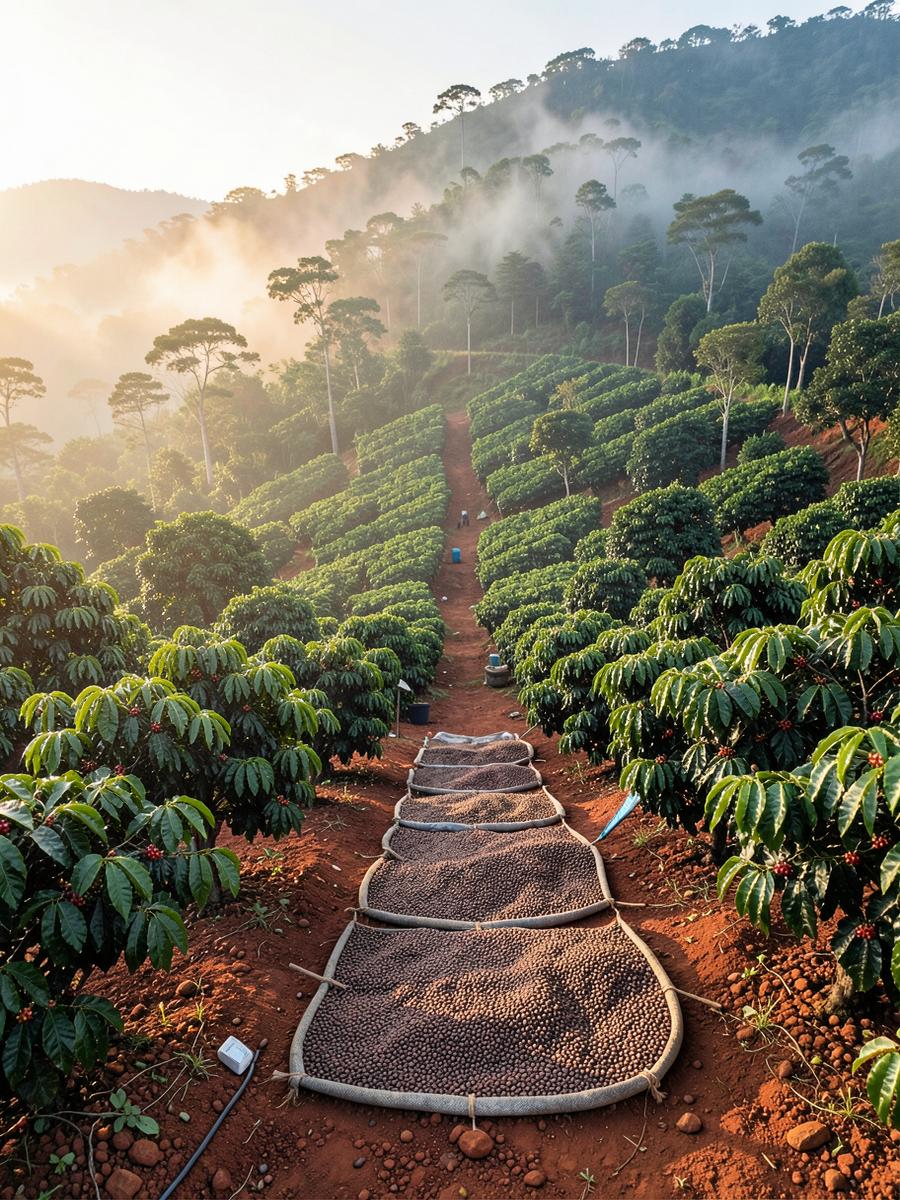
Vietnam grows more coffee than any country except Brazil, and almost none of it is understood outside Vietnam. Two places explain why. Around Da Lat and the Cau Dat highlands, cool air and altitude produce arabica with real florality, the crop French planters came for in the first place. Four hours north at Buon Ma Thuot, red basalt soil grows the robusta that fills most of the world's instant coffee, and the good stuff, processed properly, is dense and dark and nothing like its reputation.
What you'll do
- Walk the rows with a grower and learn what pruning, bud-breaking and basin-cleaning involve
- See wet and dry processing side by side, and taste the difference it makes
- Roast a small batch by hand
- Brew and drink through a phin, the slow single-cup filter that shapes how the country drinks
Pair it with
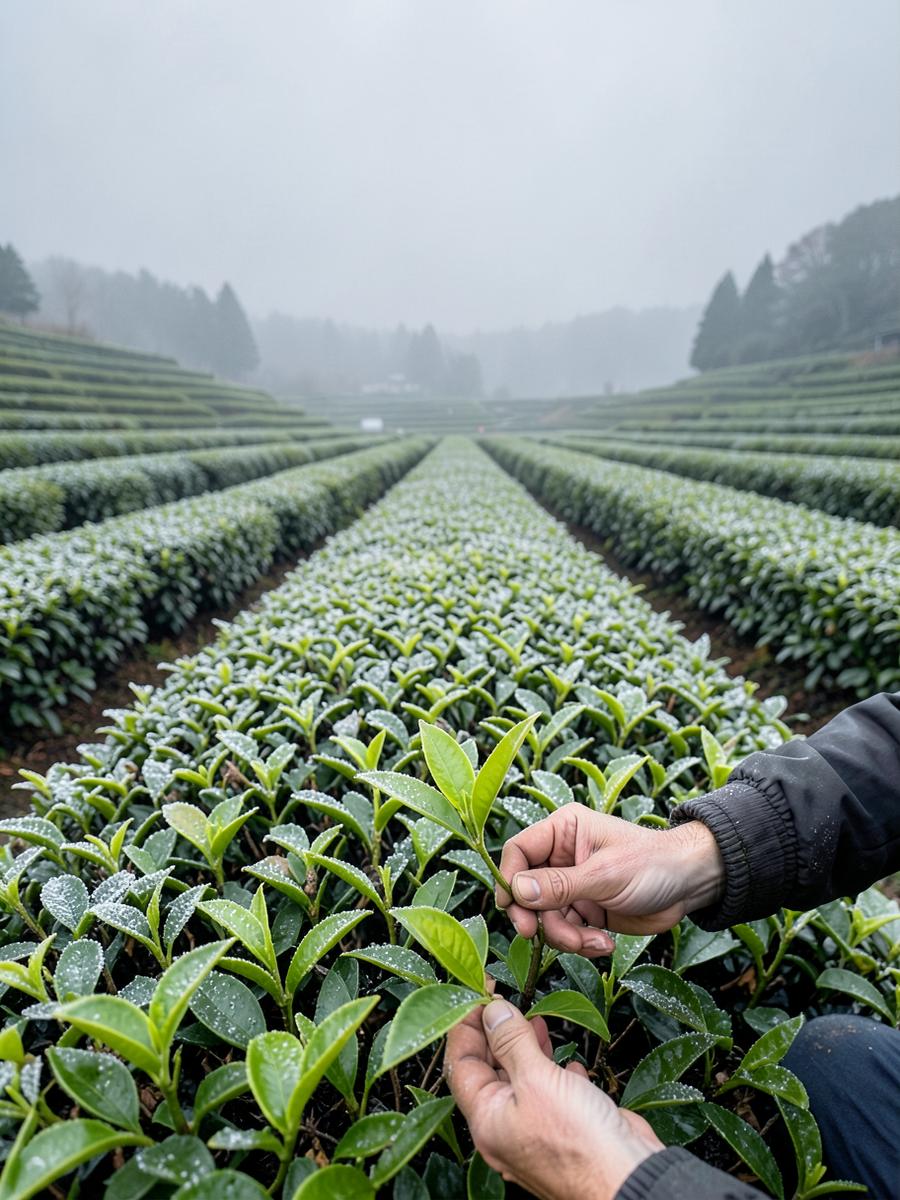
Sayama tea. Both are picked and processed within hours, and the contrast between a cold-climate leaf and a highland cherry is the whole Leaf & Bean chapter.
Practical
Harvest, the most hands-on window, runs roughly October to December. Outside it, picking and drying won't be running, though everything else will. Da Lat is reachable from Ho Chi Minh City; Buon Ma Thuot has its own airport.
Before you book
- Our position on civet coffee: we do not list operators that keep captive civets. Much of the weasel coffee sold to visitors comes from caged animals force-fed cherries. Every farm here is a working coffee producer and the tour goes to the trees, the drying beds and the roaster.
When it runs
Solid ochre marks peak months. Pale ochre marks months it runs in a quieter form.