Foraging & seasonal guides
Mushroom Calendar: What Grows Each Month in Ireland and the UK?
From spring morels to autumn chanterelles and winter oyster mushrooms, follow a year in the woods with a month-by-month calendar, November ideas and essential safety advice.
Orchards Near Me · 22 November 2026
Ireland & UK · Typical seasons
A year in the woods
A fallen branch, a damp morning, a surprising new shape: there is something to notice in every woodland season. These are typical Ireland and UK windows, not a live forecast or a safe-to-eat checklist.
November: which mushrooms may appear?
Seasonal possibilities
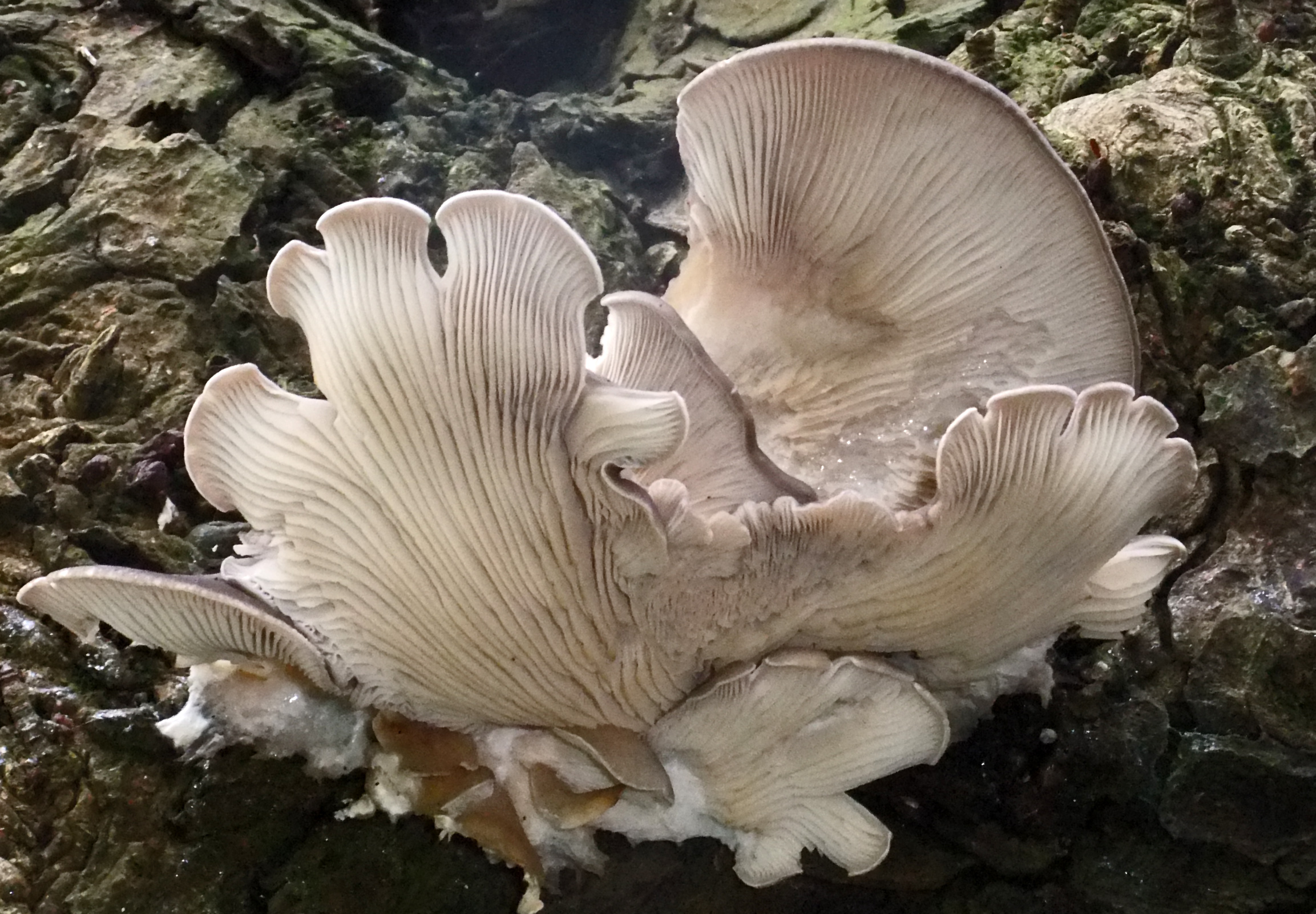
Which mushrooms grow in November? Oyster mushrooms may appear, and chanterelles remain within their published July-to-December window. Penny buns can sometimes linger at the tail of autumn where conditions remain suitable, but they are not a dependable November find.
A little inspiration for your day
Heavy frost can curtail autumn fruiting. A calendar cannot tell whether a particular patch is productive today, and an old, damaged or decaying specimen should never become dinner merely because its season fits.
Never eat a wild find unless a competent expert has confirmed its identity and safe preparation. Neither a photograph nor the month can identify a safe food. Leave plenty for wildlife and check local access and picking rules.
The whole year at a glance
Oyster mushrooms can fruit throughout the year on hardwood, including during suitable winter weather. Frost, drying winds and local conditions may leave a wood with very little visible activity.
Make this an observation month: notice which fungi appear on fallen wood and record the tree and habitat. A winter sighting is not proof of edibility.
Oyster mushrooms remain a possible year-round sighting. This is generally a quieter point in the woodland food-fungi year, rather than a reliable basket-filling season.
Plan a guided fungal walk or revisit the same woodland after different weather. Comparing what you see teaches more than rushing to collect.
The common morel's typical British fruiting window begins in March and continues into May. Morels are uncommon, and the actual start depends on local warmth and moisture. Oyster mushrooms remain possible.
Spring morels need expert identification because poisonous false morels can occur too. This calendar provides timing, not distinguishing features or a safe-to-eat verdict.
April sits within the common morel's March-to-May window. Suitable woodland, copses and hedgerows may support them, but many walks will not produce a sighting. Oyster mushrooms can also appear.
For a cosy seasonal supper without identification risk, choose cultivated mushrooms from a grower and save the woodland discoveries for your nature journal.
May is the later part of the common morel window. A cold spring can shift appearances, while a dry spell can shorten them. Oyster mushrooms are still possible.
A guided spring walk is a lovely way to learn habitats and local ecology. Confirm that your chosen operator covers fungi and suits your group's age and experience before booking.
Penny bun, also called cep or porcini, has a broad summer-to-autumn season. June can be an early possibility in suitable conditions, not a dependable start date. Oyster mushrooms remain a year-round possibility.
Warmth alone is not enough: soil moisture and the woodland's tree community matter. A dry early summer may offer very few fruiting bodies.
The Woodland Trust gives July to December as the broad chanterelle season. July also falls within the penny bun's summer-to-autumn window, while oyster mushrooms may appear on hardwood.
Summer rain can change a woodland walk, but there is no guaranteed flush after a set number of days. Enjoy watching the forest respond without assuming food is ready to collect.
Chanterelles and penny buns may fruit during suitable summer conditions; oyster mushrooms remain possible. Dry weather can interrupt what looks like a promising month on paper.
Pair a woodland outing with a local farm shop visit. You can support growers and enjoy a mushroom meal without making eating part of the foraging walk.
September is within the chanterelle and penny bun seasons, with oyster mushrooms possible too. Cooler, wetter autumn weather often brings more fungi into view.
This is a rewarding time to book a knowledgeable local guide. Check access rules before gathering, and leave plenty of fungi undisturbed for wildlife and the woodland ecosystem.
October is a classic autumn fungi month. Chanterelles and penny buns are within their broad seasonal windows, and oyster mushrooms may also fruit. Conditions still vary between sites and years.
For families, try a no-picking challenge: photograph three different shapes without handling or tasting them. Wash hands after contact and keep young children from putting wild finds in their mouths.
Which mushrooms grow in November? Oyster mushrooms may appear, and chanterelles remain within their published July-to-December window. Penny buns can sometimes linger at the tail of autumn where conditions remain suitable, but they are not a dependable November find.
Heavy frost can curtail autumn fruiting. A calendar cannot tell whether a particular patch is productive today, and an old, damaged or decaying specimen should never become dinner merely because its season fits.
Oyster mushrooms remain a possible winter sighting. December is the outer end of the Woodland Trust's chanterelle window; late appearances depend on suitable weather and should not be expected everywhere.
Finish the year by recording what you observed rather than what you collected. Your own dates, weather notes and photographs make next year's walks more interesting.
A woodland year, not a shopping list
A damp woodland walk can turn an ordinary afternoon into a little treasure hunt. Fungi lift fallen leaves, soften old wood and connect us with the quiet work happening beneath our feet. Sometimes the best thing to bring home is a photograph and a new question, rather than a basket of mushrooms.
This calendar is a representative guide to four well-documented fungi in Ireland and the UK: oyster mushroom (Pleurotus ostreatus), common morel (Morchella esculenta), chanterelle (Cantharellus cibarius) and penny bun or cep (Boletus edulis). It is not a complete list of local fungi. The timings draw on the Woodland Trust's British species profiles; Irish weather and local habitats can shift them. The Central European calendar that inspired this guide is not treated as a local forecast.
Safety first: the month never identifies the mushroom
Some poisonous mushrooms resemble edible ones, and mistakes can be fatal. A calendar, an app, a photograph, a smell or a photograph cannot confirm that a fungus is safe to eat. Never taste an unidentified mushroom. Have each intended food specimen checked in person by a competent mushroom expert, and follow species-specific preparation advice. Cooking does not make poisonous species safe.
True morels are poisonous raw and require proper cooking after expert identification; poisonous false morels must not be eaten. Chanterelles also have dangerous lookalikes. Do not use the names in this calendar as a beginner picking checklist.
If poisoning is suspected, seek medical help immediately, even if symptoms have not yet appeared. Call 112 or 999 for an emergency in Ireland or the UK. Keep a sample or photograph if safe to do so, but do not delay medical care.
What changes the season?
Temperature, recent rain, prolonged drought, altitude, tree species and local habitat all affect fruiting. A sheltered coastal wood and an exposed upland site can behave very differently in the same week. Seasonal windows describe possibilities, not live availability.
Fungi are only the visible fruiting bodies of a wider organism. Leave fallen wood where it is, stay on permitted routes, seek permission where required and respect protected sites and local no-picking rules. Never take rare species or gather commercially without the necessary permission.
Turn curiosity into a food adventure
Our Taste Trails and worldwide directory can help you discover food-focused days out. Look for an experienced local foraging guide, ask what is included and whether the outing teaches fungi identification, and check the official details before travelling. Not every foraging experience includes mushrooms.
Back in the kitchen, use expertly verified, appropriately prepared fungi or cultivated mushrooms bought from a reputable grower. A simple mushroom supper with local bread is a lovely way to celebrate a woodland day without taking an identification shortcut.
Questions before you go
What mushrooms are in season in November in Ireland and the UK?
Oyster mushrooms may fruit, and chanterelles are within their broad July-to-December window. Penny buns may linger at the end of autumn in suitable conditions. These are possibilities, not a local forecast or identification advice.
Can mushrooms grow in winter?
Yes. Oyster mushroom is a year-round fruiting species, including suitable winter conditions. Frost and dry weather can limit sightings. Winter fruiting does not tell you whether an individual fungus is edible.
When is morel season?
The Woodland Trust gives March to May for common morel in Britain. Local Irish and British conditions can shift appearances. Morels are uncommon, true morels are poisonous raw, and poisonous false morels require careful avoidance with expert help.
Can I eat a mushroom if an app identifies it?
No. Do not rely on an app, AI, photograph or calendar to decide edibility. Have each intended food specimen checked in person by a competent mushroom expert and follow safe preparation advice.
Is this a global mushroom calendar?
No. It is an approximate Ireland and UK guide using British species profiles, with local variation. Other countries and hemispheres have different climates, species and seasons.
Find places to visit
Season months are approximate, not live opening updates. Check the farm’s official information for today’s hours, picking availability, prices and booking.
Sources and further reading
- Woodland Trust: oyster mushroom, year-round fruiting
- Woodland Trust: chanterelle, July to December
- Woodland Trust: penny bun, summer to autumn
- Woodland Trust: common morel, March to May
- Woodland Trust: responsible foraging guidelines
- Inspiration: Waldschatzfinder's Central European mushroom calendar (not an Ireland/UK forecast)