Foraging & seasonal guides
Wild Plant Calendar: What Is in Season Each Month in Ireland and the UK?
Spring greens, summer elderflowers and autumn berries: explore a year of wild plants with a monthly calendar, seasonal kitchen ideas and safe, wildlife-friendly foraging advice.
Orchards Near Me · 22 November 2026
Ireland & UK · Typical seasons
A year in the hedgerows
From the first spring greens to the last ruby rose hips, let the hedgerow inspire your next walk and a little kitchen curiosity. These are typical Ireland and UK windows, not a live forecast or a safe-to-eat checklist.
November: what might be in season?
Seasonal possibilities
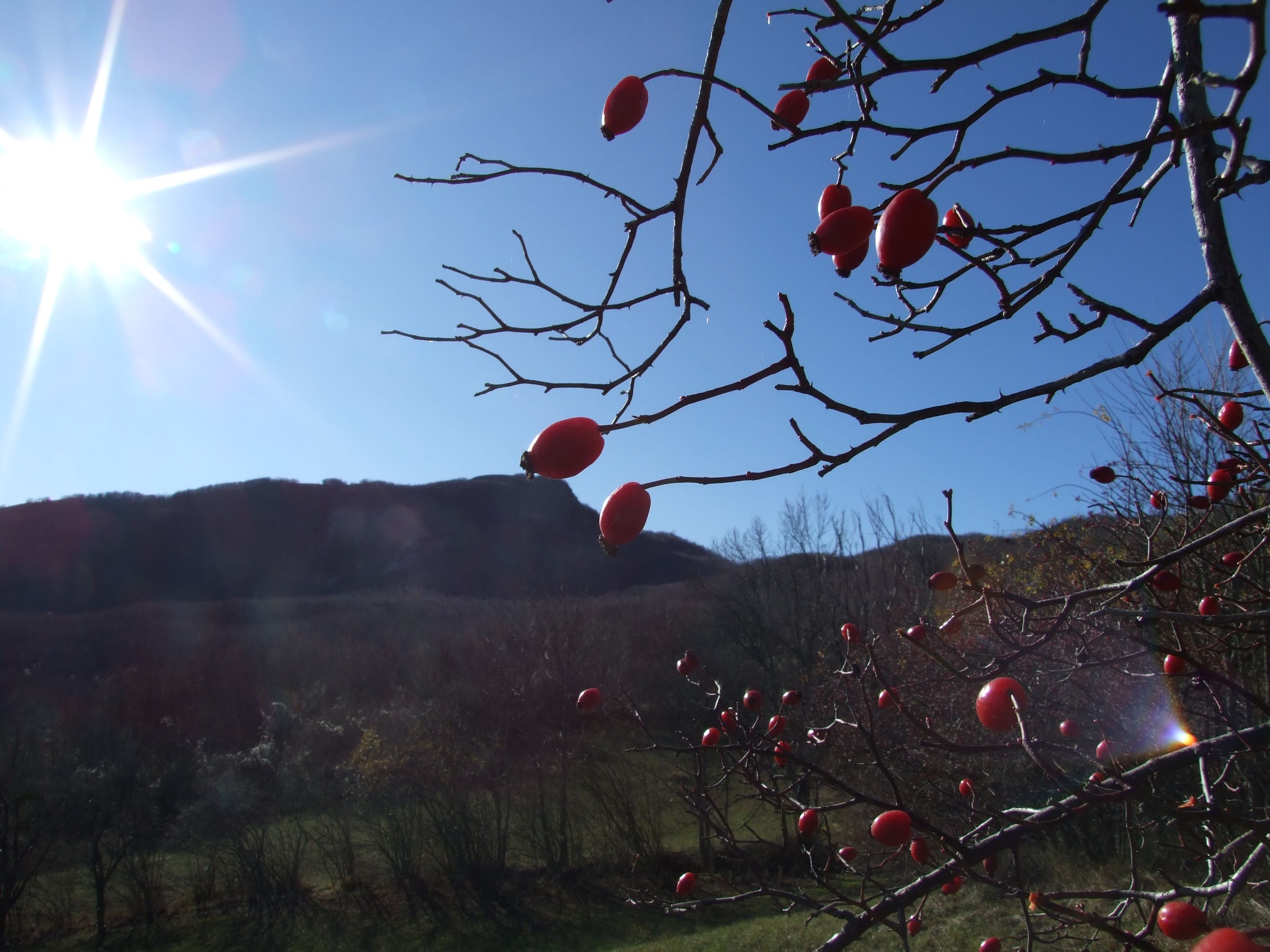
What wild plants are in season in November? Sound crab apples, late bullace fruits, remaining rose hips and sweet chestnuts may be available, while hairy bittercress can provide leaves in mild, sheltered conditions. Bullace often peaks in October to November.
A little inspiration for your day
Kitchen inspiration: a late-fruit crumble using expert-confirmed bullace with stones removed. A fruit remaining on a plant is not automatically sound or safe to eat; inspect condition carefully.
Never eat a wild find unless a competent expert has confirmed its identity and safe preparation. Neither a photograph nor the month can identify a safe food. Leave plenty for wildlife and check local access and picking rules.
The whole year at a glance
Possible winter finds include sound crab apples still on trees and hairy bittercress leaves in suitable mild, sheltered places. Fruit condition matters more than its presence: leave anything mouldy, damaged or deteriorating.
Kitchen inspiration: crab apple jelly made with correctly identified, sound fruit. A winter walk is just as worthwhile without gathering anything.
Young nettle shoots can start appearing during mild spells, while hairy bittercress leaves may persist. Cold regions may still be firmly in winter; do not expect fresh growth on a fixed date.
Kitchen inspiration: properly prepared nettle soup using expert-confirmed young leaves. Gloves help with stings when handling nettles, but they do not make an unidentified plant safe.
Wild garlic leaves and young nettle shoots are spring possibilities where growth has begun. Wild garlic season varies locally and the edible leaf stage is not the same as its later flowering stage.
Kitchen inspiration: spring greens folded into a cooked dish. Never use garlic scent alone to identify leaves; dangerous lookalikes or mixed leaves can be present.
Wild garlic leaves and young nettles are often part of April's spring-green window. Tender growth is generally more useful in the kitchen than old, tough leaves, but correct identification comes first.
Kitchen inspiration: a spring soup beside bread from a local baker. A guided plant walk can turn a seasonal meal into a day of learning rather than a guessing game.
Late spring may bring elderflowers in warmer areas, alongside lingering wild garlic leaves and flowers in suitable woods. Elderflower flowering times move with location and the year's weather.
Kitchen inspiration: elderflower cordial from expert-confirmed flowers, with non-food plant parts removed. Do not confuse elderflower with other white-flowering plants.
Elderflowers are a classic early-summer possibility. Wild rose petals can also be available where plants are flowering; petals and later rose hips belong to different stages of the same seasonal story.
Kitchen inspiration: fragrant elderflower cordial. Leave most blossoms for pollinators and later fruit, and only collect where permission, abundance and correct identification allow.
Wild raspberries may ripen, and the earliest blackberries can begin in warm areas. Rose petals may still be present where flowering continues. Ripening is patchy rather than simultaneous across a region.
Kitchen inspiration: a small bowl of expertly identified berries with locally grown fruit. Leave unripe berries and plenty of ripe ones for birds and other wildlife.
Blackberries are a familiar late-summer highlight. Elderberries and crab apples can begin ripening too, with timing depending on the site and weather. Flowers are now giving way to fruit.
Kitchen inspiration: blackberry and orchard-apple crumble. Elderberries require proper cooking and the removal of stems and leaves; they are not a raw snacking berry.
Blackberries, elderberries, rose hips, crab apples and hazelnuts may be in season. Nuts and fruit vary greatly between trees, hedgerows and years; a calendar does not guarantee a crop.
Kitchen inspiration: a little blackberry preserve or a carefully prepared rose-hip syrup. Rose-hip hairs need thorough removal or suitable fine straining, and sound nuts need correct identification and handling.
Rose hips, crab apples, sloes and sweet chestnuts are typical autumn possibilities. Sweet chestnuts generally begin dropping in October; they must not be confused with inedible horse-chestnut conkers.
Kitchen inspiration: crab apple jelly or properly prepared sweet chestnuts. Sloes are traditionally used in preserves and infusions rather than as a sweet handful of fresh fruit; do not eat their stones.
What wild plants are in season in November? Sound crab apples, late bullace fruits, remaining rose hips and sweet chestnuts may be available, while hairy bittercress can provide leaves in mild, sheltered conditions. Bullace often peaks in October to November.
Kitchen inspiration: a late-fruit crumble using expert-confirmed bullace with stones removed. A fruit remaining on a plant is not automatically sound or safe to eat; inspect condition carefully.
Sound crab apples may persist into winter, and hairy bittercress can keep growing in suitable sheltered spots. Remaining nuts and fruits are variable and may already have deteriorated or been eaten by wildlife.
Kitchen inspiration: open a preserve made earlier in the year and let today's walk be about observation. Winter is a wonderful time to plan a guided spring outing without promising a fresh harvest.
A delicious reason to notice the seasons
First leaves, a froth of elderflower, a blackberry-stained fingertip: the hedgerow has its own way of marking the year. Learning these rhythms can make a familiar lane feel new again, and remind us how much food begins with soil, weather and patient growth.
This Ireland and UK calendar offers representative wild food plants and the useful parts that may be in season. It is based on the Woodland Trust's monthly British foraging guidance, not a promise that every plant grows near you. Irish and British regions vary, and warm springs, drought, rainfall and altitude can move the dates. Other countries need their own local calendars.
Before the basket: safety and permission
Never taste a wild plant to identify it. Some poisonous plants closely resemble edible ones, and a mistake can be fatal. Confirm each intended food plant with a competent local expert and a reliable regional field guide. Do not rely on an app, AI, smell or a photograph. Season and colour do not establish identity.
Wild garlic can be confused with toxic plants such as lily-of-the-valley, autumn crocus and lords-and-ladies. Check each leaf individually with expert help; a handful can contain mixed species. Sweet chestnuts are not horse chestnuts, whose conkers must not be eaten. Rose hips need their irritating hairs and seeds removed with appropriate preparation; elderberries must be properly cooked, with leaves and stems excluded.
Seek permission where needed and follow each site's access and gathering rules. Do not uproot plants, take protected species or gather from scarce patches. Leave plenty of flowers, fruit and seeds for wildlife. Avoid sprayed land, polluted sites, busy roadsides and places fouled by animals; washing cannot remove every contaminant. Keep children from tasting wild finds.
If poisoning is suspected, seek medical help immediately. Call 112 or 999 for an emergency in Ireland or the UK, and do not wait for symptoms. This is general seasonal information, not medical or individual dietary advice.
Leaves, flowers, fruits: why the plant part matters
A plant may be visible for much of the year while its useful food part has a short window. Spring nettle shoots, summer elderflowers and autumn elderberries are not interchangeable. Some parts of a plant may be toxic even where another part has a recognised food use.
The calendar's names are an invitation to learn, not a set of identification instructions. Ask a local expert which part is appropriate, how it must be prepared and whether it suits your circumstances. Avoid herbal remedies or health claims based on wild food without qualified advice.
A family outing or a slower food date
Try a no-picking hedgerow walk with children: choose a familiar route, photograph changes and return in another season. Keep little hands away from tasting plants, leave nests and wildlife undisturbed, and take home your litter.
For couples or friends, pair an expert-led walk with a farm shop, orchard visit or locally sourced lunch. Browse Taste Trails and the worldwide directory, then confirm the operator's official details, dates, age limits and what the experience includes. Our mushroom calendar makes a useful companion for woodland curiosity.
From hedgerow to kitchen, gently
When identification and safe preparation are confirmed, a small seasonal ingredient can carry a wonderful story: where you walked, who taught you and how the weather shaped the crop. The point is connection, not collecting as much as possible.
Our Recipes & Guides collection includes elderflower cordial and nettle soup ideas. Use only properly identified ingredients, follow the recipe's safety notes and choose cultivated or shop-bought alternatives whenever there is any uncertainty.
Questions before you go
What wild plants are in season in November?
In suitable Ireland and UK locations, sound crab apples, late bullace, remaining rose hips, sweet chestnuts and hairy bittercress leaves may be available. Weather, habitat and fruit condition matter. Confirm identity and preparation with a competent expert before eating anything.
When can I find wild garlic?
Wild garlic leaves are generally a spring possibility, often March to May, with local variation. Toxic lookalikes can occur, so never identify it by smell alone and have each leaf checked with expert help.
When is elderflower season?
Elderflowers commonly appear in late spring and early summer, often May and June, depending on local weather. The flowers and later elderberries have different seasonal windows and preparation requirements.
Can I forage safely with children?
An observation walk is a good starting point: photograph plants, learn from a competent guide and do not let children taste wild finds. Eating requires reliable identification, safe preparation, permission and suitable ingredients for the individual.
Are seasonal wild plants safe to eat raw?
Not automatically. Identity, plant part and preparation all matter. Elderberries need proper cooking, rose hips need irritating hairs removed, and some plants have toxic parts. This calendar is not a safe-to-eat checklist.
Does this calendar apply worldwide?
No. It gives approximate Ireland and UK windows based on British monthly guidance, with local variation. Other regions and the Southern Hemisphere require locally appropriate seasonal and identification advice.
Find places to visit
Season months are approximate, not live opening updates. Check the farm’s official information for today’s hours, picking availability, prices and booking.