Apple picking near me
Late August to November (north) · February to May (south)
Apple picking is the longest and most forgiving season in the orchard year. Early varieties come in from late August, the main crop runs through September and October, and late keepers hang on into November. Find an orchard on the map, check which varieties are ready that week, and take a bag rather than a box, apples bruise against each other in a hard-sided crate.
Places to pick, on the map
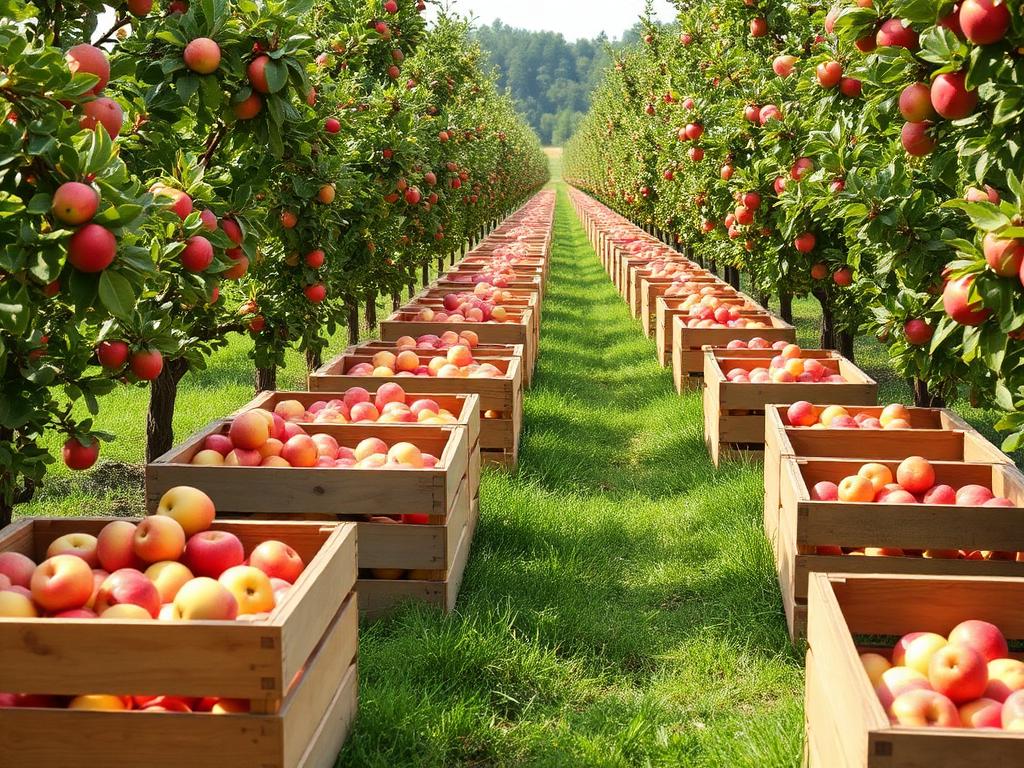
Hudson Valley, New York, USA
Hudson Hill Apple Farm
U-Pick Orchards · Apples · Aug–Nov
4.8 (412)
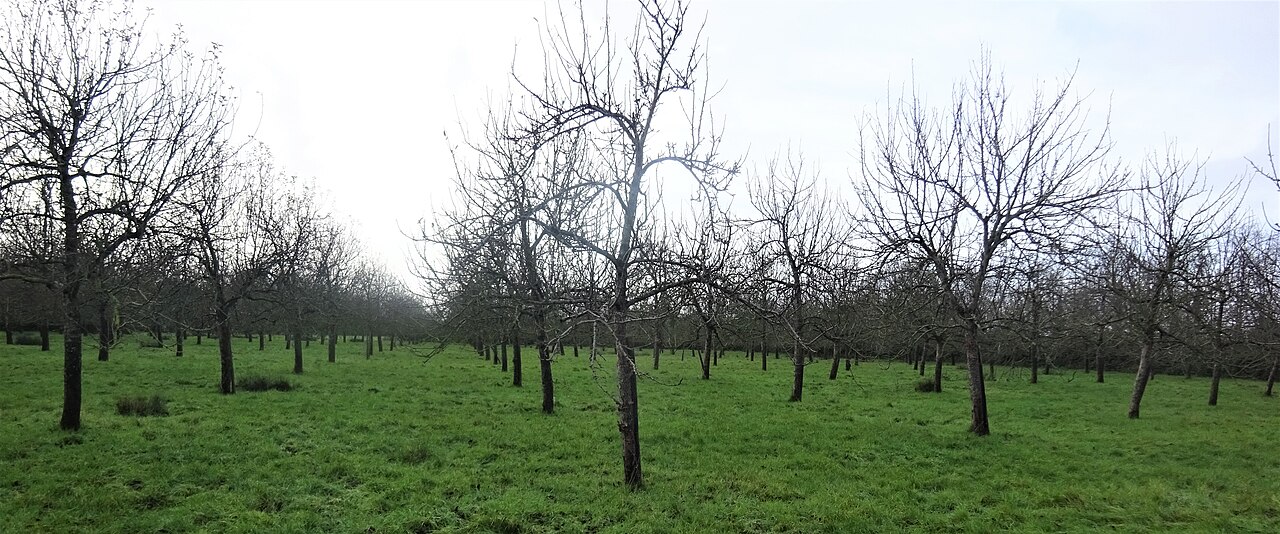
Glastonbury, Somerset, United Kingdom
Somerset Levels Cider House
Cideries · Cider apples · Sep–Dec
4.9 (517)
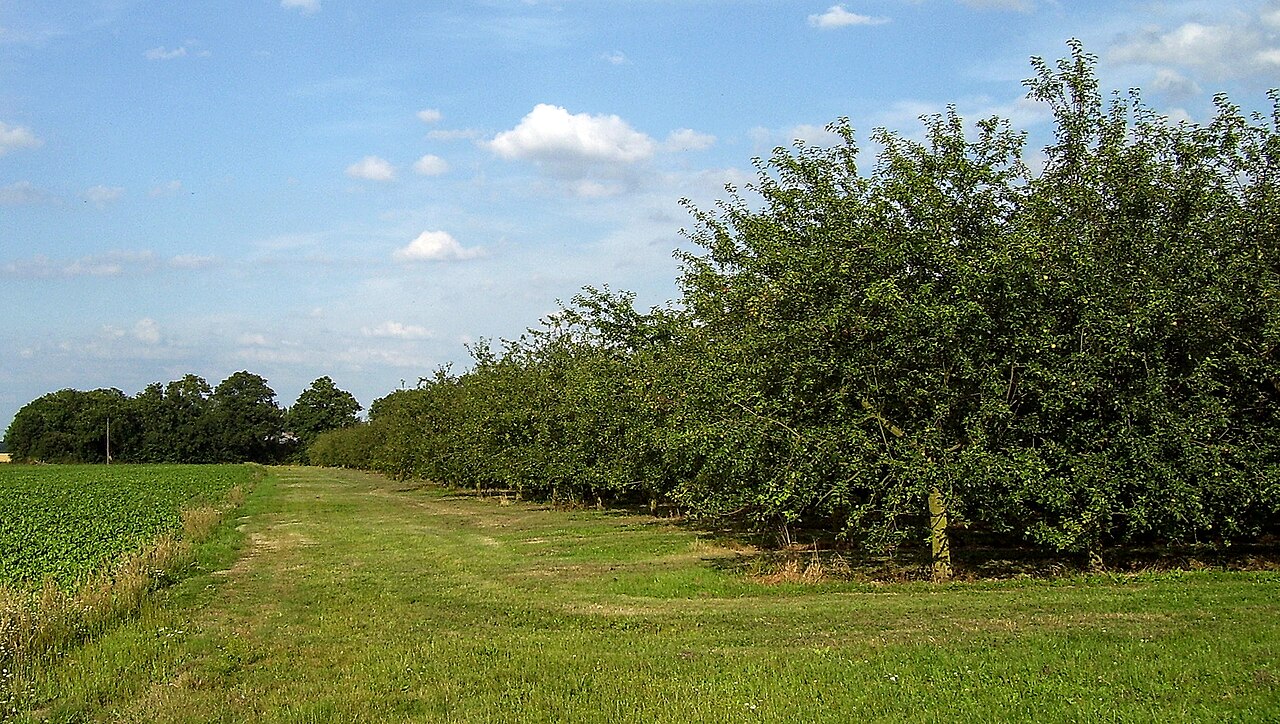
Cambremer, Normandy, France
La Pommeraie de Normandie
Cideries · Cider apples · Sep–Nov
4.8 (364)
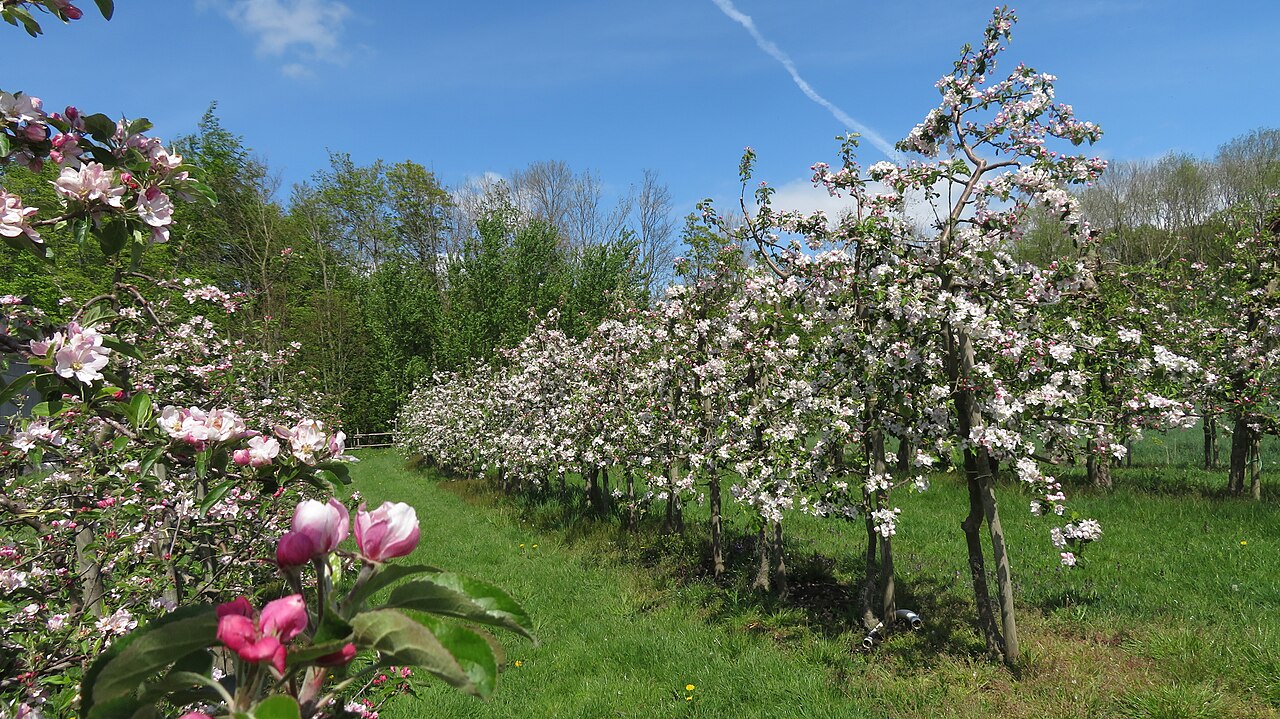
Jork, Lower Saxony, Germany
Altes Land Obsthof
Farm Tours · Apples & cherries · May–Oct
4.5 (187)
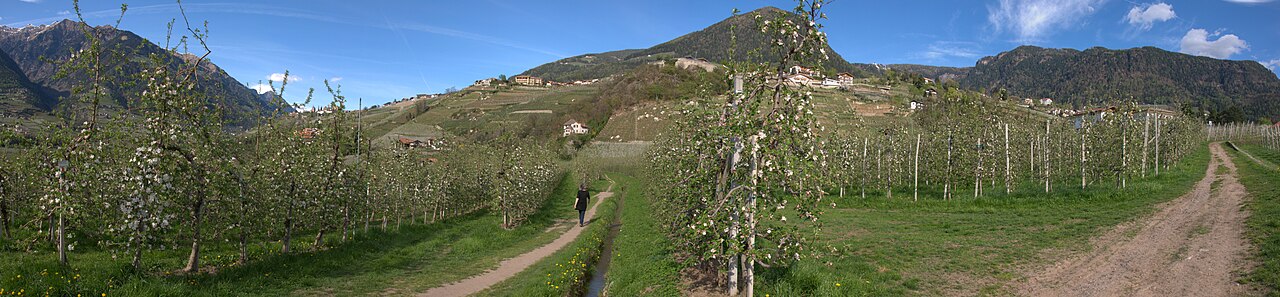
Cles, Trentino, Italy
Val di Non Mele Cooperative
Seasonal Markets · Golden Delicious apples · Sep–Nov
4.4 (121)
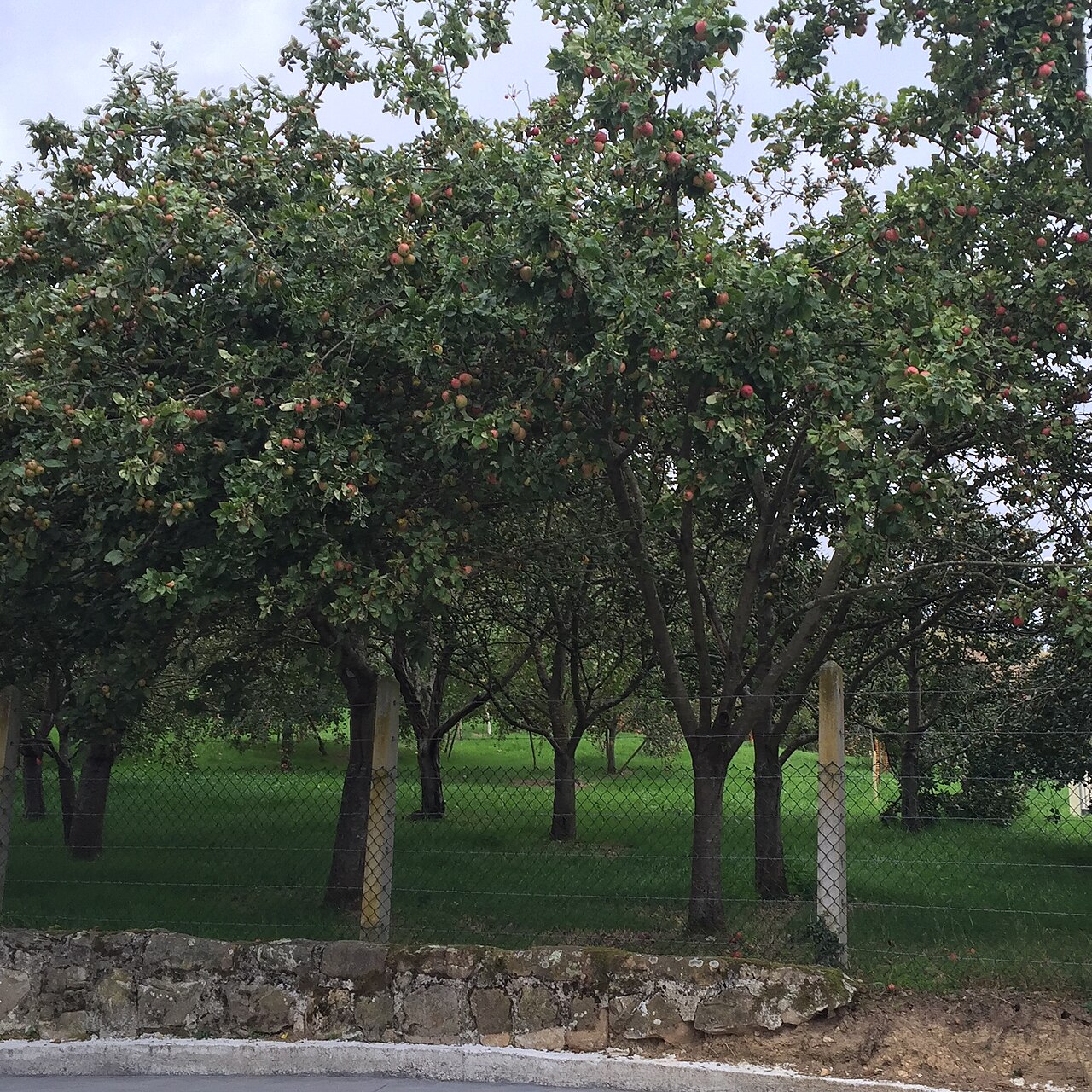
Villaviciosa, Asturias, Spain
Llagar de Asturias
Cideries · Sidra apples · Sep–Nov
4.7 (243)
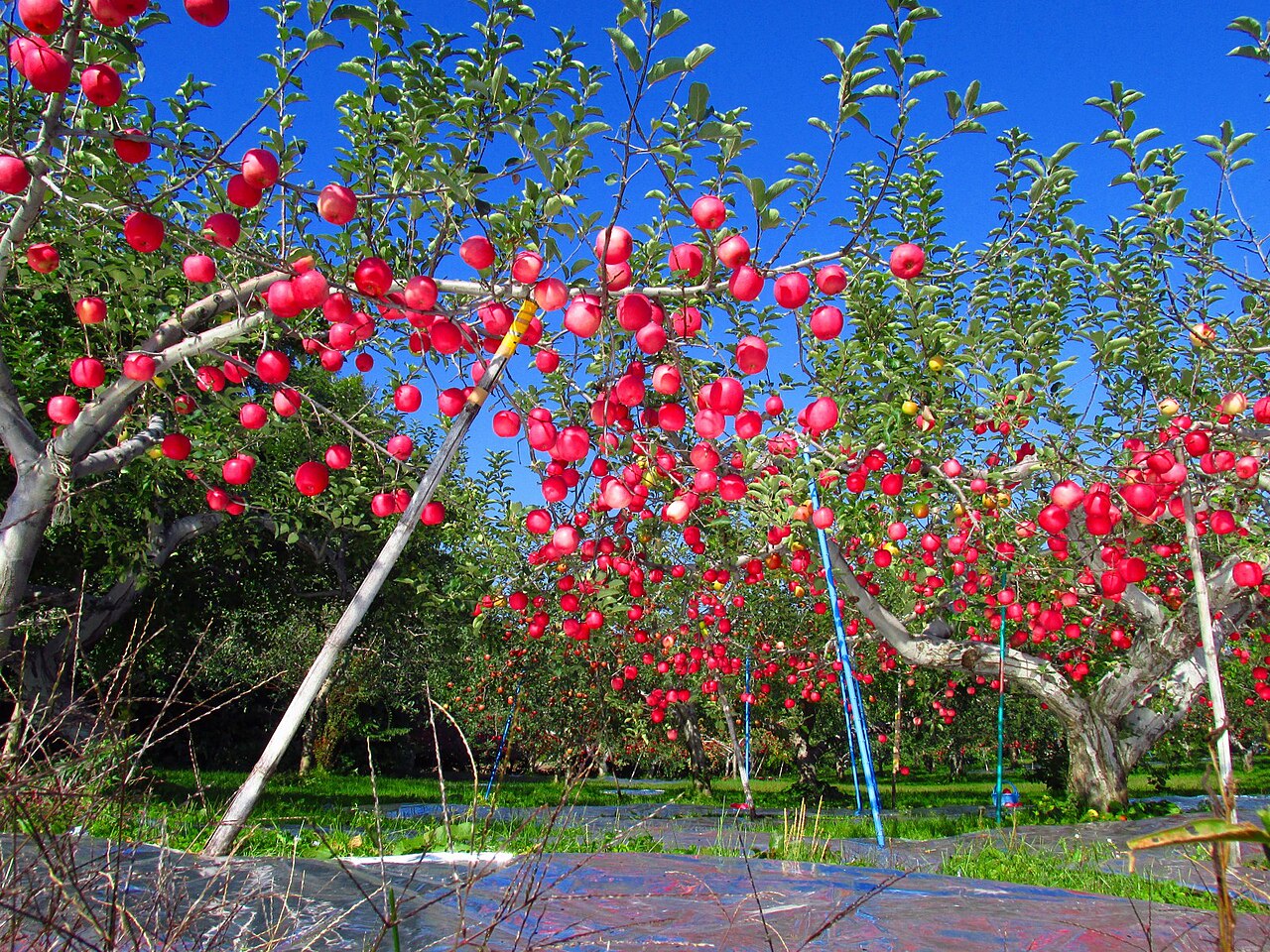
Hirosaki, Aomori, Japan
Aomori Ringo Orchard
U-Pick Orchards · Fuji apples · Sep–Nov
4.9 (398)
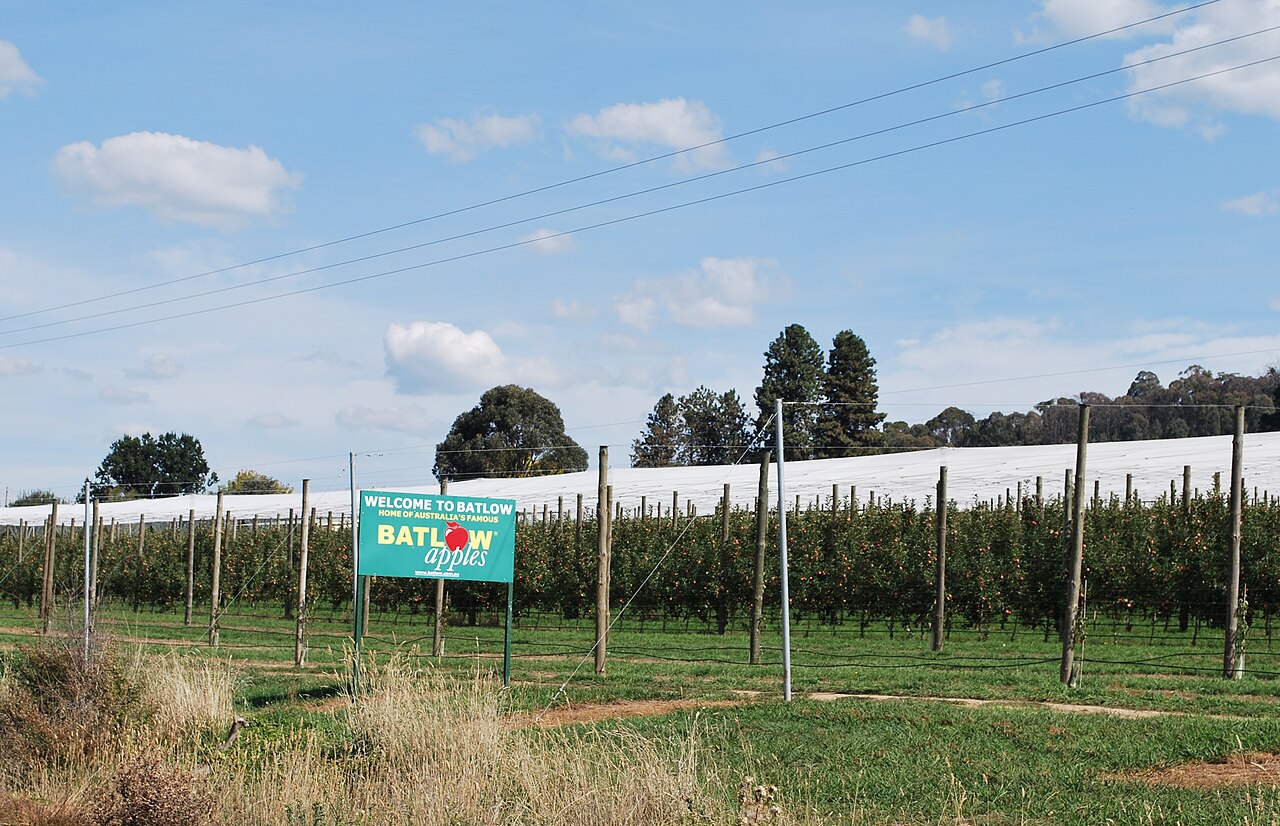
Batlow, New South Wales, Australia
Batlow Mountain Apples
U-Pick Orchards · Pink Lady apples · Mar–May
4.5 (211)
Naramata, British Columbia, Canada
Naramata Bench Cherry Orchard
U-Pick Orchards · Cherries & apples · Jul–Sep
4.8 (512)
Shimla, Himachal Pradesh, India
Shimla & Kinnaur apple orchards
U-Pick Orchards · Apples · Aug–Oct
0 (0)
Amasya, Turkey
Amasya apple orchards
U-Pick Orchards · Apples · Sep–Oct
0 (0)
How to pick well
Roll, do not tug
Cup the apple, lift and twist. A ripe apple releases with the stalk attached; if you have to pull hard, it is not ready.
Ask what is ready this week
An orchard with twenty varieties will only have three or four rows open at a time. The farm shop will tell you which rows and whether they are eaters, cookers or cider fruit.
Keep the stalk, protect the bloom
The dusty coating on the skin is natural wax that keeps fruit fresh. Do not polish apples you intend to store.
Store cold and separate
Unwashed apples in a single layer in a cold garage or fridge drawer keep for weeks. One bruised apple will spoil the rest of the tray.
Common questions
- What month is best for apple picking?
- October is the peak almost everywhere in the northern hemisphere, with September best for early eating varieties and November for late keepers and cider fruit. In Australia and New Zealand, March and April are the equivalent weeks.
- Can you eat apples straight off the tree?
- Yes, dessert varieties are ready to eat as picked. Cider and cooking apples are deliberately sharp or tannic and are better pressed, stewed or baked.
- How long do picked apples keep?
- Late-season keepers stored cold, unwashed and in a single layer will hold for two to three months. Early varieties are best eaten within two weeks.