- Duration
- 4 to 5 hrs
- Season
- Year-round; peak brewing Jan to Mar
- Group
- 2 to 12
- Price band
- €€
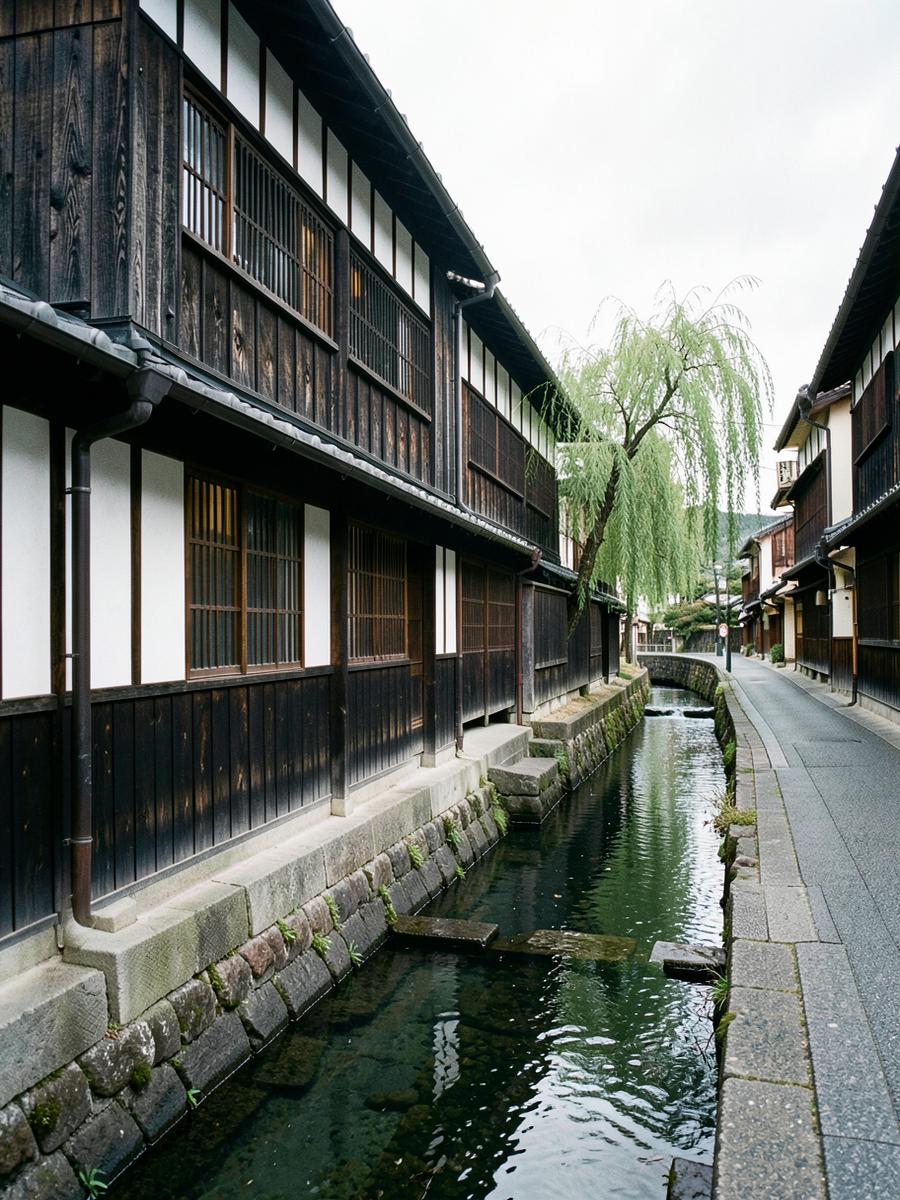
The five villages of Nada have been brewing since the 1330s and now produce more sake than anywhere in Japan. The reason is a mineral-rich water called Miyamizu, discovered in the 1840s, which ferments hard and fast and gives Nada its famously dry, clean finish. The rest followed: Yamada Nishiki rice from the hills behind, the cold Rokko wind off the mountain, and the port of Kobe to ship it. Three kilometres of brewery street, several free museums, and tasting rooms all the way along.
What you'll do
- Watch modern brewing through the glass at Hamafukutsuru's ginjo works
- See the Taisho-era brewhouse preserved at the Hakutsuru Sake Brewery Museum
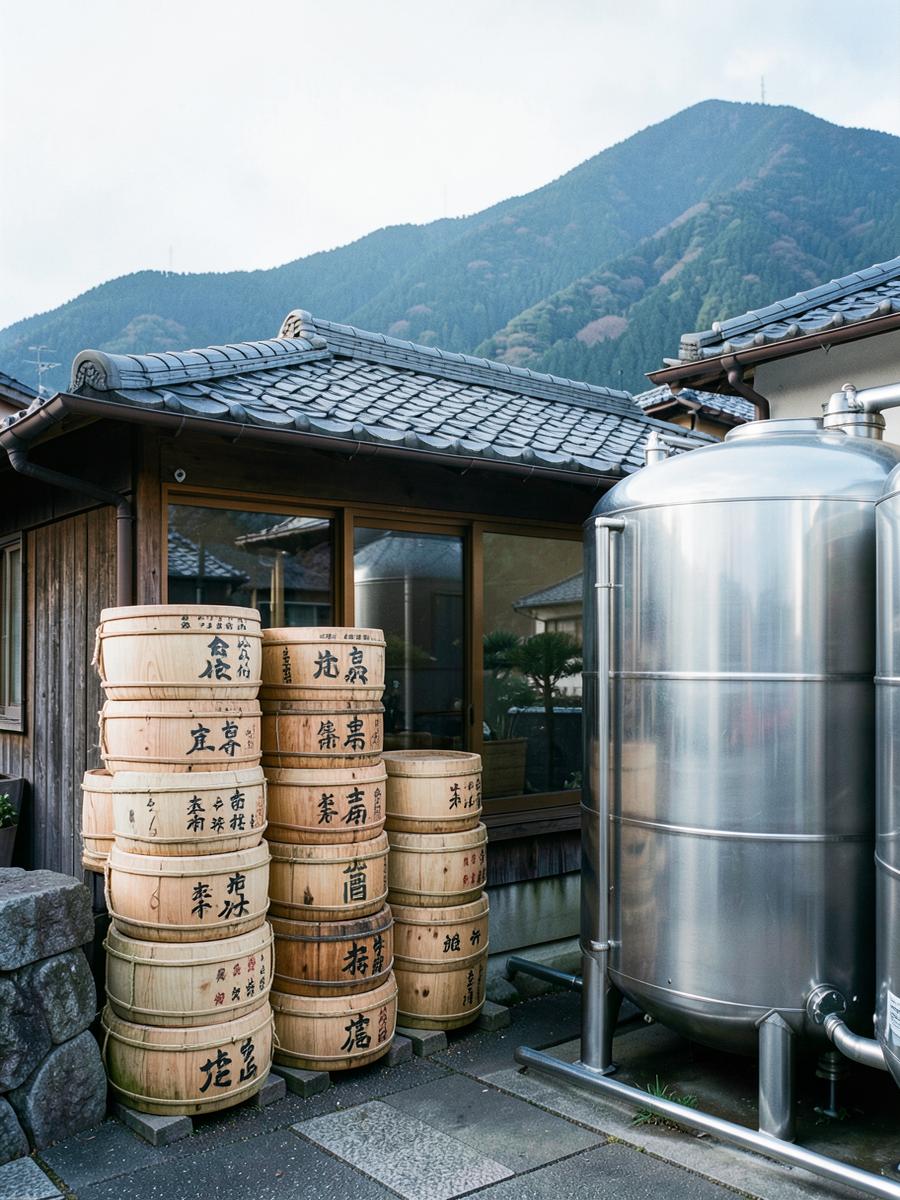
- Visit Kiku-Masamune's cooperage, where cedar barrels are still made by hand
- Taste across producers: good tours cover ten or more pours from three or four houses
Pair it with
Fushimi. Hard water, then soft. Book them in that order, because Fushimi is the better second impression.
Practical
Hanshin Line stations run the length of the district; Uozaki is the usual start. Umeda in Osaka is 20 minutes away. Skip strong fragrance, because brewers ask you not to wear it near the tanks.
Before you book
- Some brewery interiors need advance booking. Confirm per operator before you travel.
When it runs
Solid ochre marks peak months. Pale ochre marks months it runs in a quieter form.