- Duration
- 1.5 to 2.5 hrs
- Season
- Year-round; new-crop buckwheat Oct to Dec
- Group
- 1 to 8, often private
- Price band
- €€
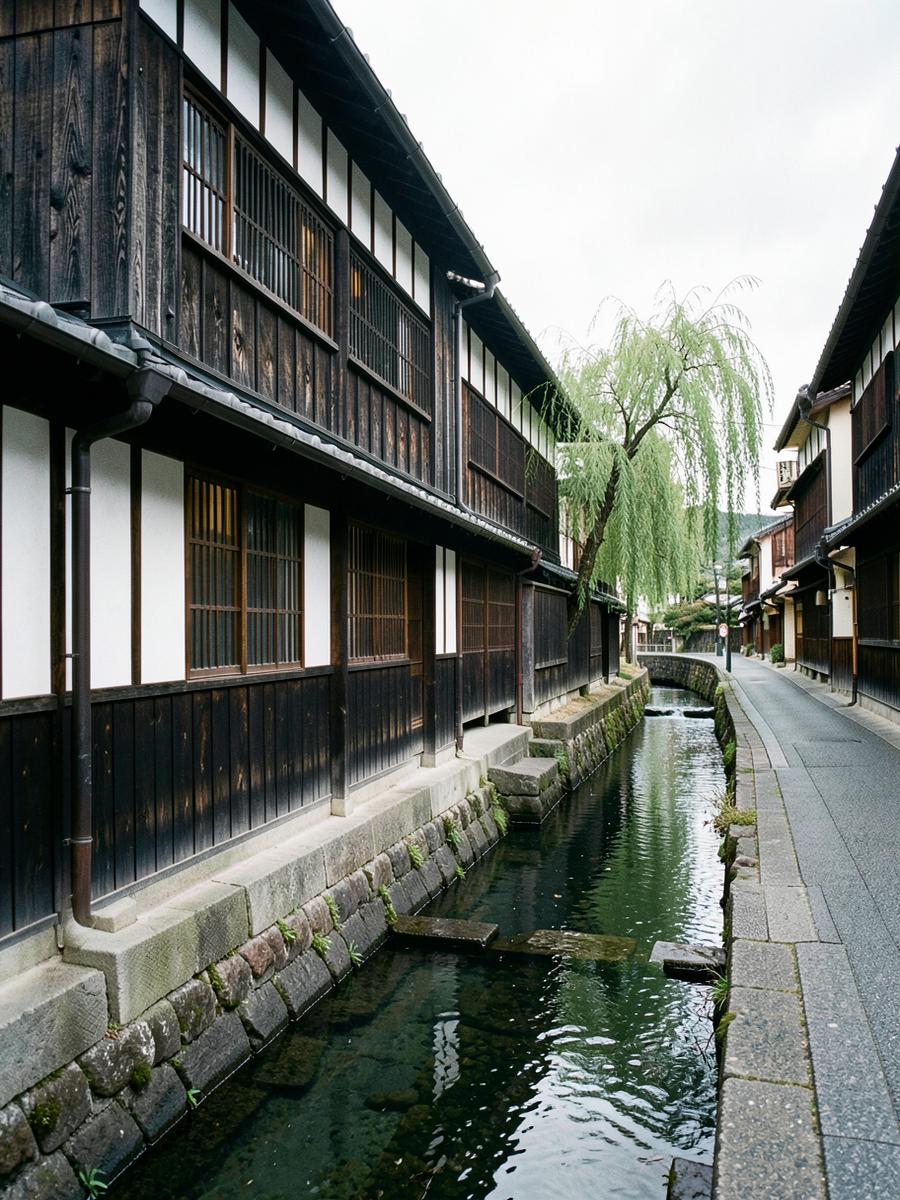
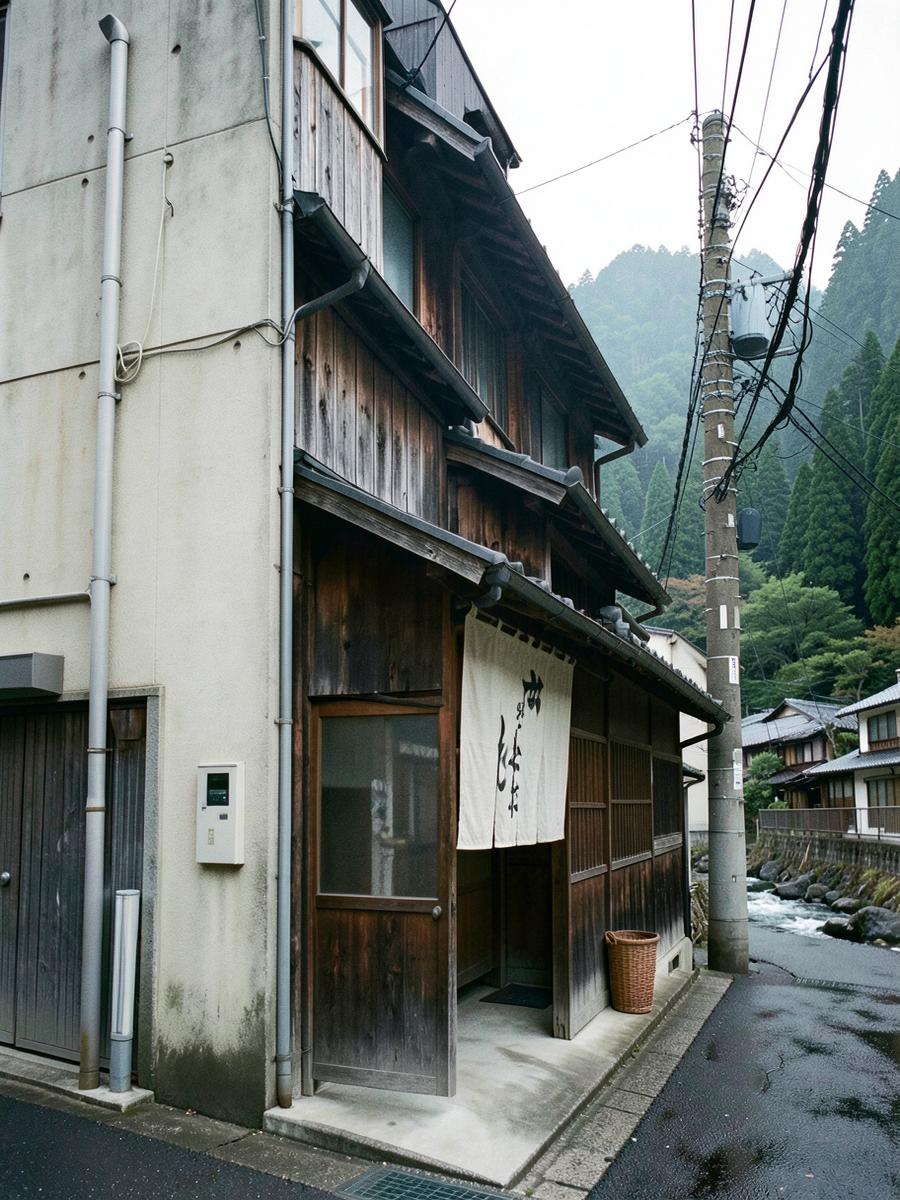
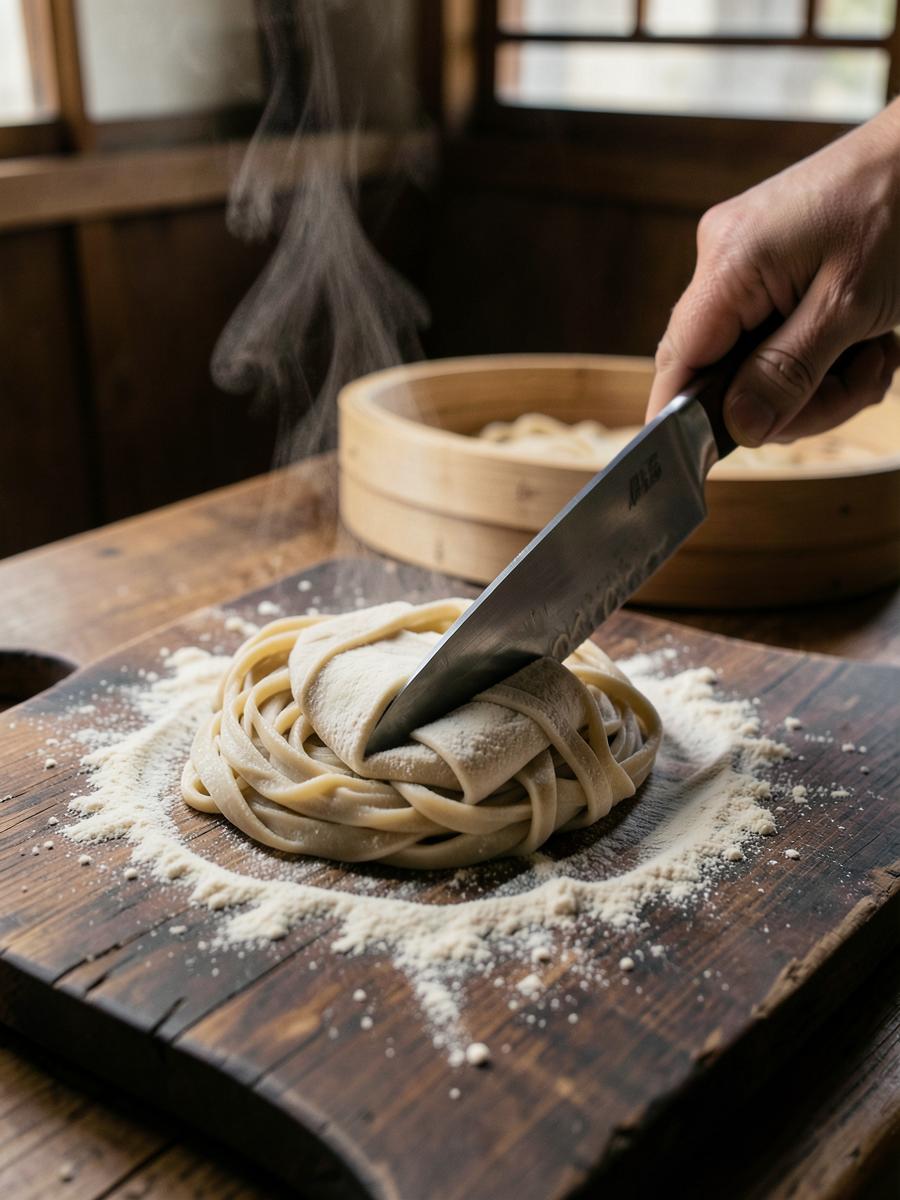
Soba is buckwheat flour and water. That's it, at the purist end, with no wheat to hold it together, which means the dough will fall apart if you get the hydration wrong, and it will. Kyoto workshops run small, often one group at a time, in machiya townhouses, farmhouses outside the city, or shops near Kiyomizu-dera. Some start at the stone mill so you grind first. You knead, roll to an even sheet, cut with a weighted blade, and eat it within minutes.
What you'll do
- Mix and hydrate by feel, the part no recipe can teach you
- Roll to a single even sheet, which is where most people's soba is lost
- Cut with a soba-kiri blade and a wooden guide, aiming for uniform width
- Eat your own noodles immediately, with dashi and a cup of the cooking water
Pair it with
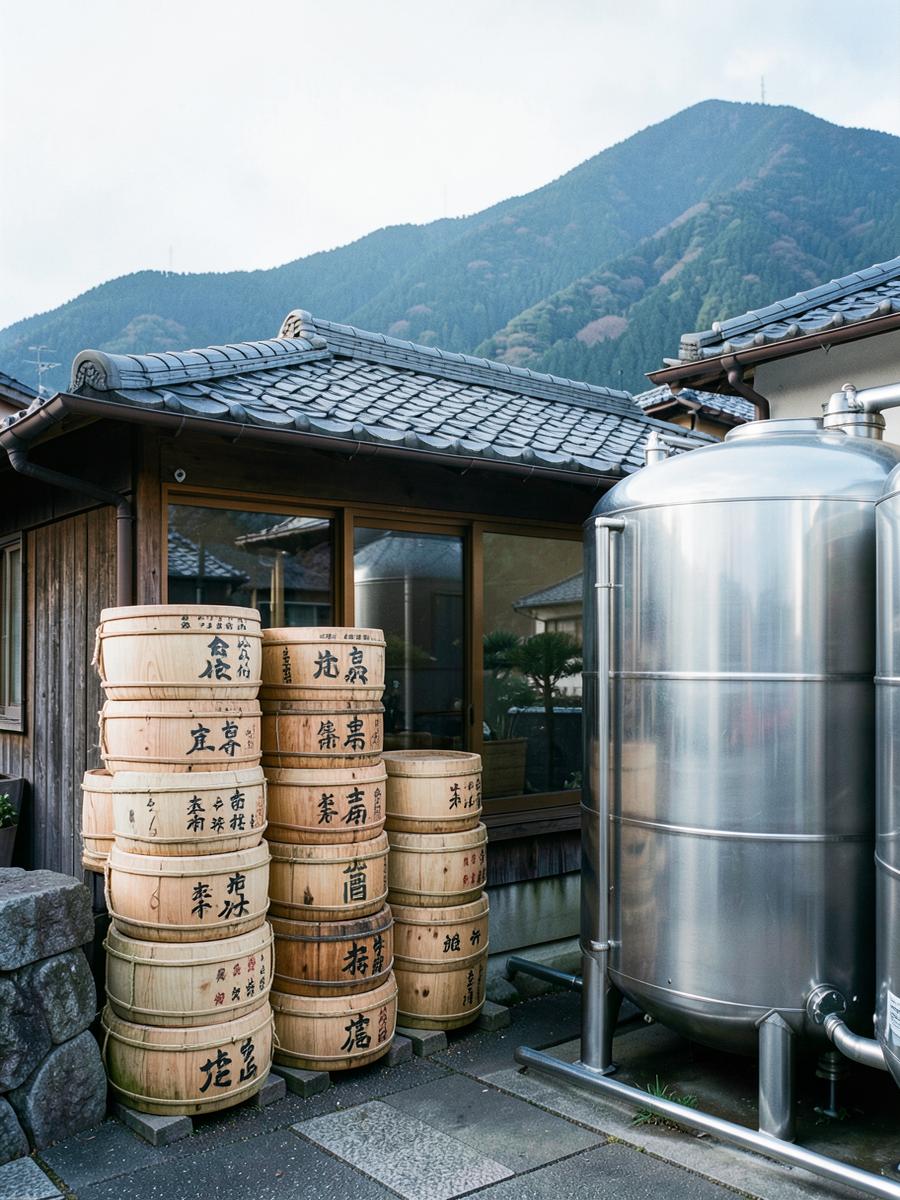
Fushimi, the same afternoon. Soba and sake are a long-standing pairing and the districts are twenty minutes apart.
Practical
Classes cluster in Arashiyama, near Kiyomizu-dera, and in the Kameoka countryside. Wear something you don't mind dusting with flour.
Before you book
- Confirm English-language support per operator. It varies sharply.
When it runs
Solid ochre marks peak months. Pale ochre marks months it runs in a quieter form.