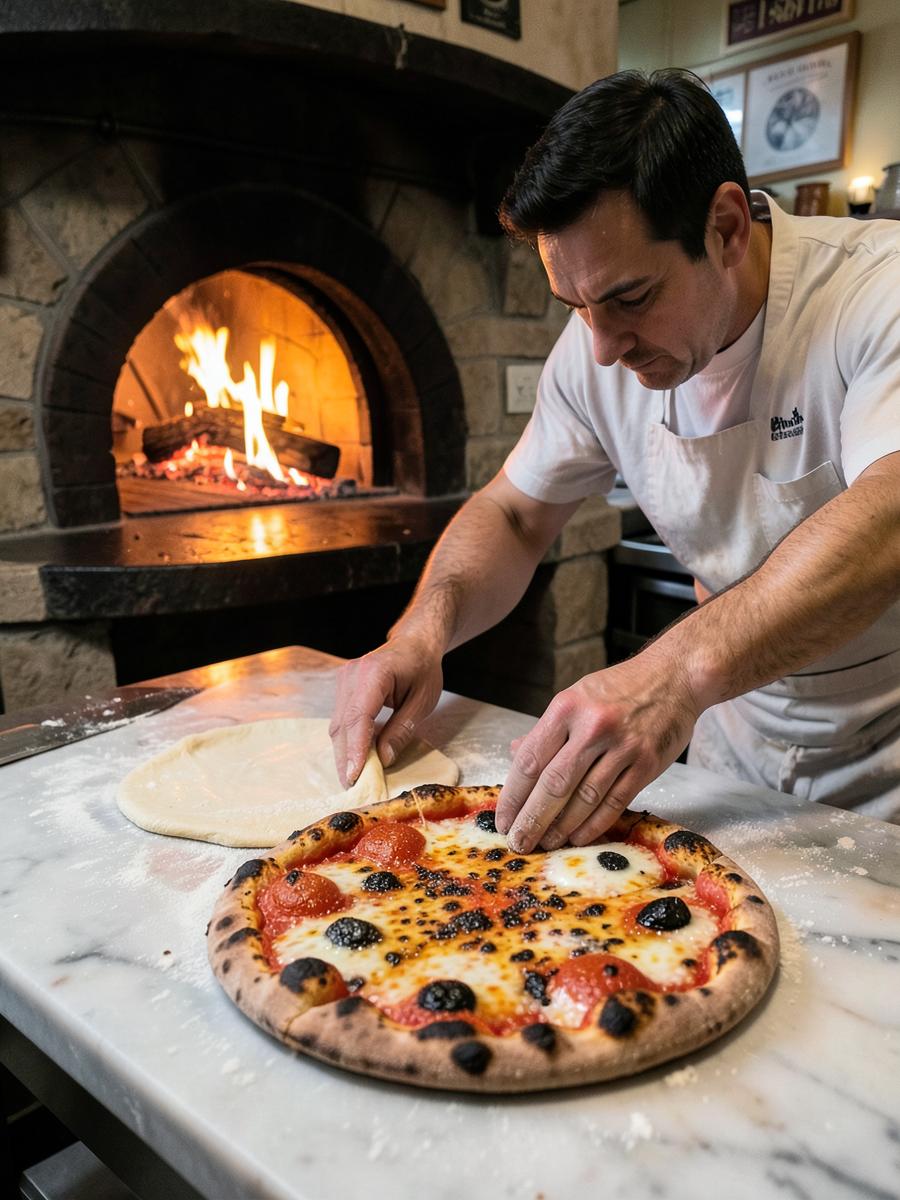
UNESCO added the art of the Neapolitan pizzaiuolo to its intangible heritage list in 2017, which was a recognition of craft rather than recipe. The dough is flour, water, salt, yeast. The rules are strict: long fermentation, hand-stretched only, no rolling pin, a wood oven around 485°C, sixty to ninety seconds. What you learn in a class is that almost all of it is in the hands: how you press the gas out to the rim and how you move it into the fire.
What you'll do
- Work dough that has been fermenting since yesterday, because same-day dough won't behave
- Learn the hand-stretch and why the cornicione rim must never be flattened
- Dress a marinara and a margherita and nothing else, at first
- Launch it into a live wood oven and get it out ninety seconds later
Pair it with
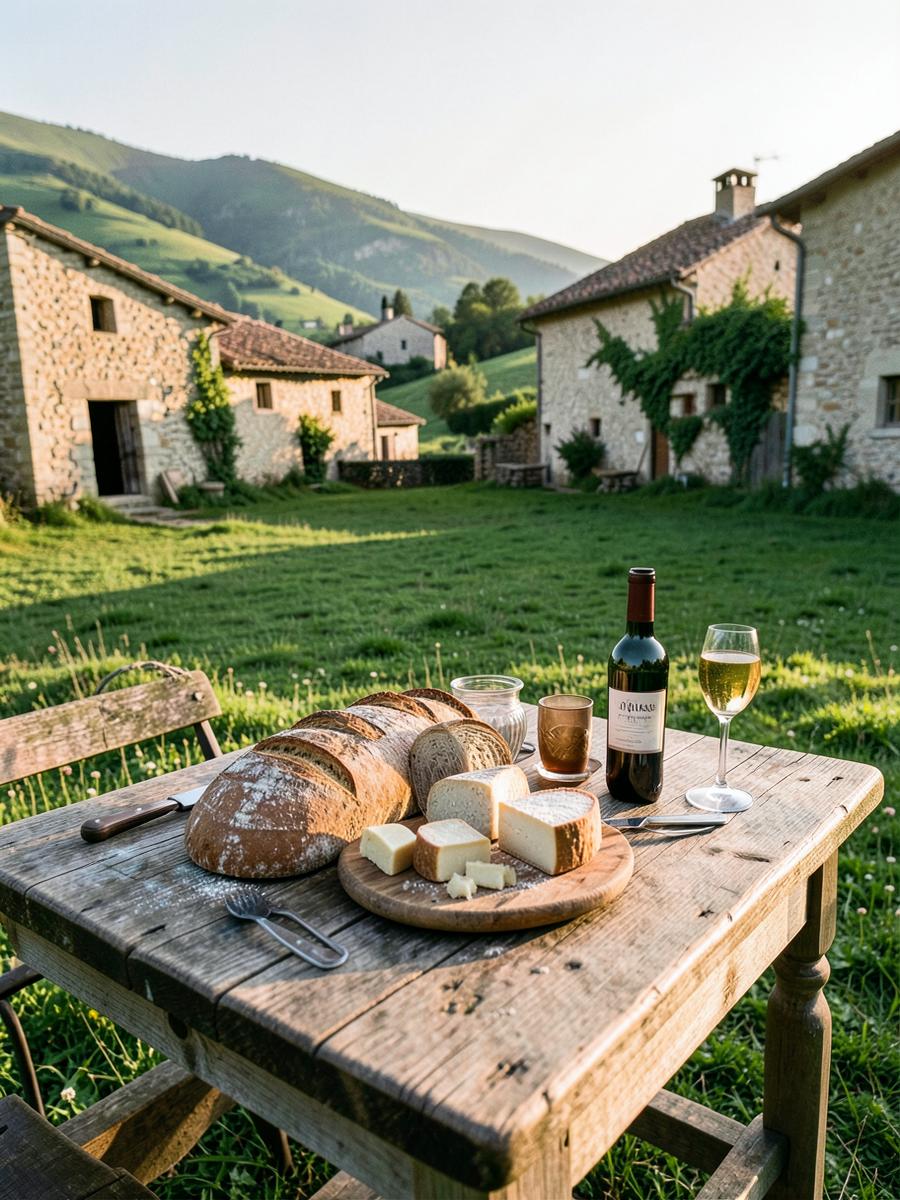
The France farm-dining listing. Two ends of the same argument about how few ingredients you need.
Practical
Classes run across the historic centre; many are attached to working pizzerias and slot between services.
Before you book
- Prioritise operators affiliated with the Associazione Verace Pizza Napoletana, and confirm the class uses a live wood oven rather than an electric deck.
When it runs
JJanuary: availableFFebruary: availableMMarch: peakAApril: peakMMay: peakJJune: availableJJuly: availableAAugust: availableSSeptember: peakOOctober: peakNNovember: peakDDecember: available
Solid ochre marks peak months. Pale ochre marks months it runs in a quieter form.